Chobe National Park (Botswana)
Chobe National Park (Botswana)
Chobe National Park is home to one of Africa's largest elephant populations. River safaris on the Chobe River, game drives in Savuti, and exceptional wildlife year-round.
Chobe National Park, in northern Botswana, spans more than 11,000 km² along the Chobe River and the Namibian border. It harbours one of Africa's largest concentrations of elephants — tens of thousands of individuals — and offers river safaris unmatched on the continent. The town of Kasane, the main gateway, sits at the junction of four countries: Botswana, Namibia, Zimbabwe, and Zambia.
Quick facts
Entrance: Paid access; entry fees are collected at official gates (Sedudu Gate, Ngoma Gate, Mababe Gate).
Access: Kasane is reachable by road from Livingstone (Zambia) or Vic Falls (Zimbabwe); Kasane international airport with flights from Maun and Johannesburg.
Recommended duration: 2 to 4 days to cover the Chobe Riverfront and Savuti sectors.
Clothing: Neutral colours (khaki, beige, olive green); avoid white and bright blue which attract insects.
Accessibility: River cruises are generally accessible; 4×4 tracks are not.
Vehicle: 4×4 essential for interior tracks, particularly during the rainy season.
What you'll see
The park divides into four distinct zones with contrasting landscapes and wildlife.
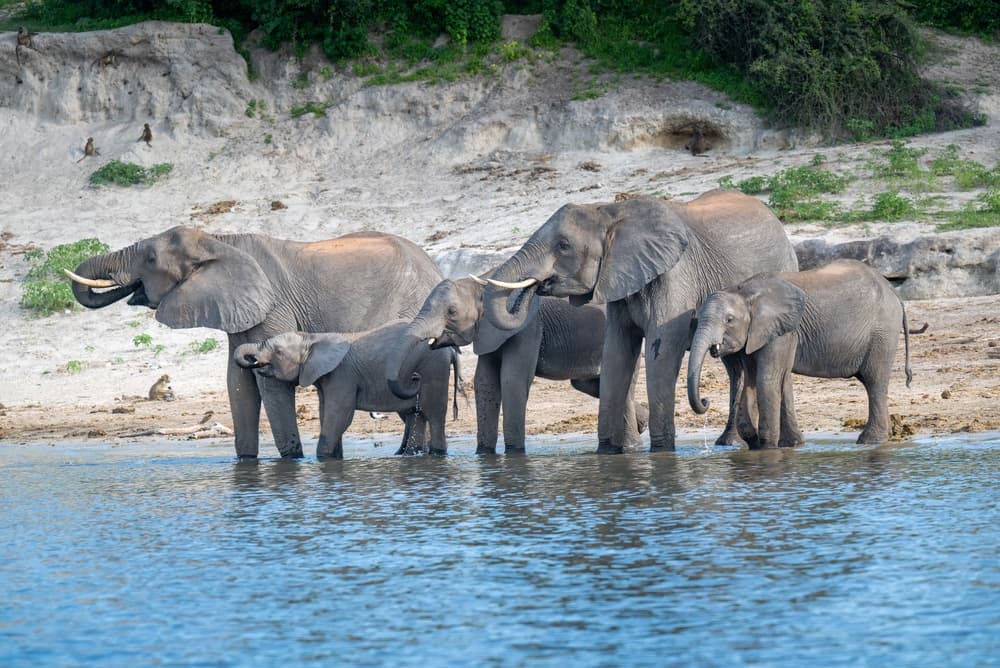
Chobe Riverfront: Floodplain bordering the river, concentrating elephants, buffalo, hippos, and crocodiles, especially in the dry season.
Savuti: Marshes and scrubland savanna, renowned for lions and leopards; the Savuti channel has a complex hydrological history — it dried out then began flowing again in the early 2000s.
Linyanti: Isolated wetland, refuge for wild dogs and sitatunga, accessible mainly via private camps.
Nogatsaa/Tchinga: More arid sector, less frequented, with artificial water points attracting wildlife in the dry season.
History and context
Chobe is Botswana's first national park, proclaimed in 1967 shortly after the country's independence. The region was previously a colonial hunting territory. Strict protection established since the 1980s enabled a spectacular recovery of elephant populations, to the point that their numbers now pose ecological challenges for riverine vegetation.
Highlights of your visit
River safari on the Chobe River
Sunset boat cruises are the park's signature experience. Elephants swimming across the river, hippos emerging metres away, fish eagles in flight: the density of sightings is exceptional. The golden light of late afternoon is ideal for photography.
Game drive in the Chobe Riverfront
In the dry season (May to October), hundreds of elephants converge on the river each afternoon. Herds can exceed several hundred individuals. Buffalo, zebras, and giraffes share the same alluvial plains.
Savuti and its predators
Savuti is known for rare interactions: lions attacking young elephants, wild dogs hunting in packs at dawn. Nights at a bush camp here are particularly intense.
Photography tips
Light is optimal early morning (6am–8am) and late afternoon (4pm–6pm). On the river, position yourself towards the setting sun for backlighting on drinking elephants. A telephoto lens (300mm minimum) is recommended for game drives; a wide angle suffices on boats where wildlife often approaches within 20 metres. Photography is permitted throughout the park.
Location and access
The park is located in Chobe District, in northern Botswana. The town of Kasane serves as the main logistics hub, with hotels, lodges, and safari operators. Kasane Airport receives regional flights. From Victoria Falls (Zimbabwe/Zambia), the drive via the Kazungula Bridge takes approximately one hour. The Kazungula Ferry directly links Botswana and Zambia.
Nearby attractions
Victoria Falls — approximately 70 km away, one of the world's largest waterfalls, accessible from Livingstone or Victoria Falls town.
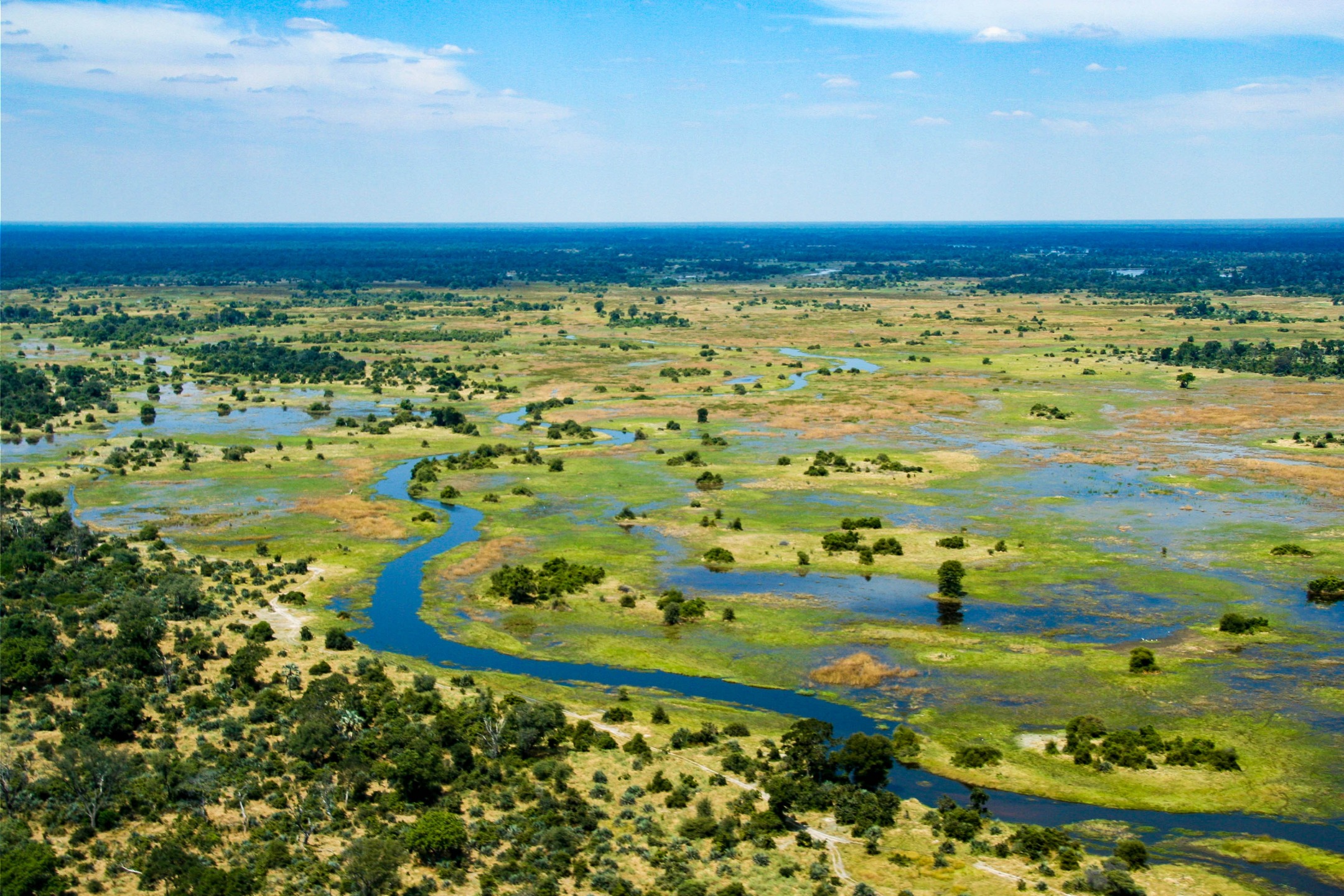
Okavango Delta — inland delta listed as UNESCO World Heritage, accessible by flight from Maun; landscapes and wildlife complement Chobe.
Hwange National Park — large Zimbabwean park approximately 200 km away, renowned for its elephants and lions.
Moremi Reserve — in the heart of the Okavango Delta, classic pairing with Chobe for a northern Botswana circuit.
Frequently asked questions
Frequently asked questions
The dry season (May to October) is ideal: vegetation is less dense, wildlife concentrates around water points, and tracks are passable. July–September offer the best elephant sightings on the Chobe Riverfront. The rainy season (November to April) attracts migratory birds and young animals, but some tracks become impassable.
Yes, for interior tracks (Savuti, Linyanti, Nogatsaa). The Chobe Riverfront sector, close to Kasane, is partially accessible in a standard vehicle during the dry season, but a 4×4 is strongly recommended. River cruises require no personal vehicle.
Yes, it's one of southern Africa's most popular combinations. Victoria Falls (Zimbabwean or Zambian side) is approximately one hour's drive from Kasane. Many travellers spend 2–3 days at Chobe then 2 days at the Falls, or vice versa.
Yes, with no particular restrictions for personal use. No off-limits zones exist for photography. River cruises offer exceptional conditions thanks to wildlife proximity.
Favour neutral colours: khaki, beige, olive green, grey. Avoid white, bright blue, and strong perfumes. Pack light layers for cool mornings in the dry season and effective sun protection for cruises.
Two days allow you to cover the Chobe Riverfront (game drive plus cruise). Four days are needed to add Savuti. A full week enables exploration of Linyanti and Nogatsaa, wilder and less visited sectors.
Want to discover this destination?
Our local advisors design your tailor-made trip.