Namib Carnivore Conservation Centre
Namib Carnivore Conservation Centre
Just 6 km from Solitaire, this centre founded in 2011 by Solitaire Guest Farm and the N/a'an ku se Foundation rehabilitates cheetahs, leopards and hyenas across 500 hectares.
The Namib Carnivore Conservation Centre is a facility dedicated to the rehabilitation of cheetahs, leopards and hyenas, located 6 km from Solitaire on the edge of the Namib Desert. Born from a partnership between Solitaire Guest Farm Desert Ranch and the N/a'an ku se Foundation, it combines scientific research, low-impact ecotourism and educational engagement with visitors travelling through central Namibia.
Why visit the Namib Carnivore Conservation Centre
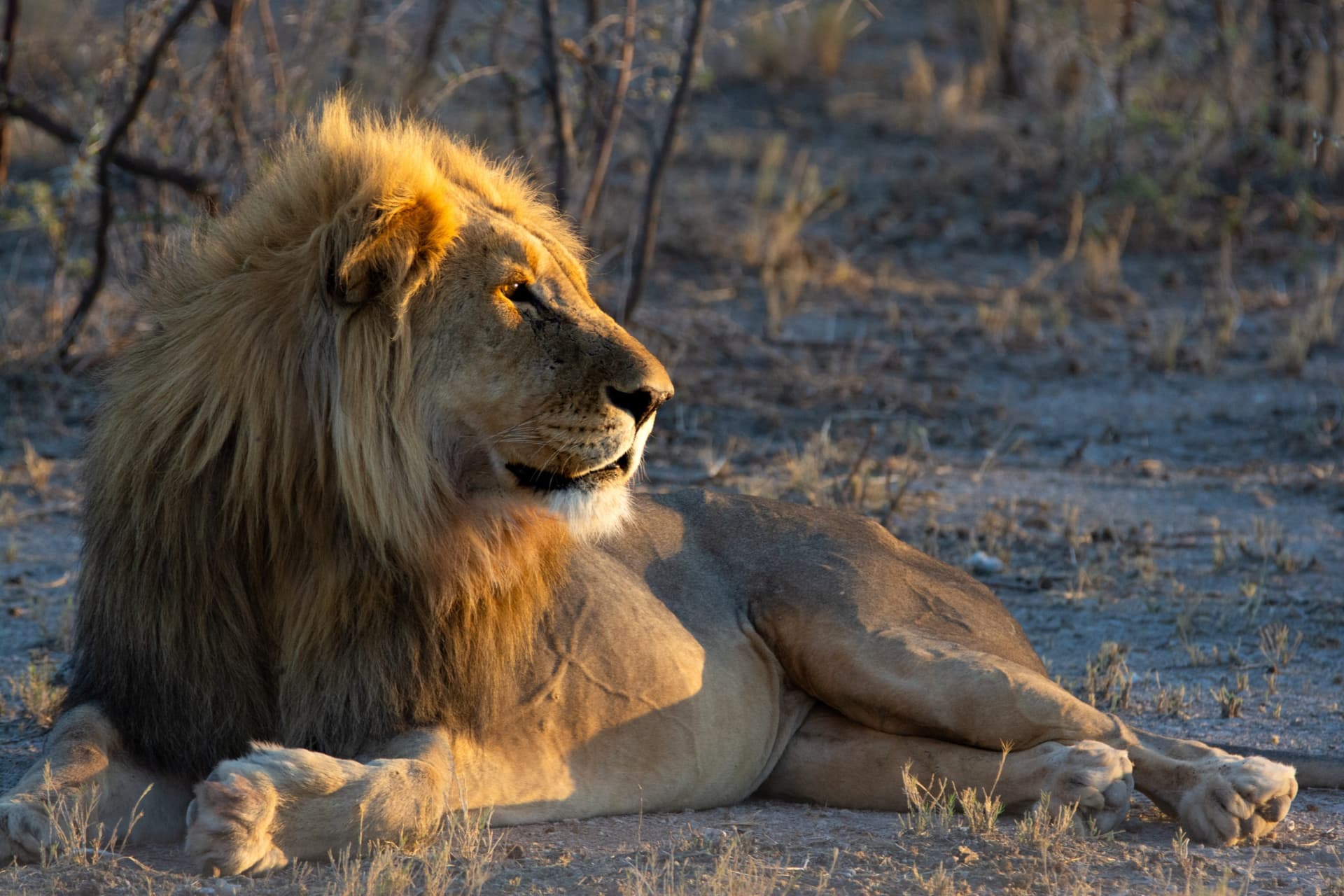
Namibia is home to one of the world's largest populations of wild cheetahs, a species threatened by conflicts with livestock farmers. The centre offers a rare opportunity: observing these felines within a 500-hectare enclosure set up as a semi-natural environment, accompanied by field biologists who explain the challenges of conservation. The visit follows an educational philosophy rather than a zoo format: no cages, no performances, but tracking expeditions in 4x4 vehicles where animals roam freely within their territory.
The site lies on one of Namibia's most frequently travelled routes, between Sesriem (Sossusvlei) and Walvis Bay. It fits naturally into an itinerary connecting the Namib Desert to the Atlantic coast.
History of the centre
In 2004, Walter and Simone Swartz opened Solitaire Guest Farm, in the immediate vicinity of the Namib-Naukluft National Park. Having grown close to Dr Rudie and Marlice van Vuuren, founders and directors of the N/a'an ku se Foundation, they made part of their land available for the project. Six months of construction allowed for the development of the 500-hectare enclosure designed to house carnivores in transition to the wild.
The centre officially opened on 27 June 2011 with the transfer of four cheetahs from the N/a'an ku se reserve. Two biologists, Kate Echement and Matt Cleverley, settled on site to monitor the animals and coordinate research protocols. The site applies the principle of "soft release": individuals from conflict zones are stabilised, studied, then released into the wild when ready. Those unable to return to the wild become ambassadors for their species to visitors.
What to see and do
Tracking safaris
The main activity is a 4x4 excursion within the enclosure, usually led by a biologist or trained volunteer. Tracking uses radio collars: you follow the signal, stop, and observe. Cheetahs are the species most regularly spotted. Outings last approximately 2 hours.
Observable wildlife
- Cheetahs in rehabilitation and soft release
- Leopards (more elusive, less systematic observation)
- Brown and spotted hyenas
- Antelope and fauna endemic to the Namib on the enclosure's periphery
Educational aspect
Biologists on site explain their work: population density monitoring, vital range mapping, conflict management with livestock farmers. Partnerships with universities allow regular hosting of interns and researchers.
Centre's stated objectives
- Rehabilitate and reintroduce large carnivores to their natural habitat
- Reduce human-wildlife conflict by recovering animals from at-risk agricultural areas
- Support low-impact ecotourism that funds research
- Study carnivore populations long-term
- Train students and volunteers through university partnerships
Practical information
The centre operates in direct connection with Solitaire Guest Farm Desert Ranch, which handles reception, accommodation and safari booking. Safaris operate by reservation, with limited group sizes, so advance planning is advisable, especially during peak season.
- Activity: guided tracking safari, approximately 2 hours
- Group size: restricted groups, advance booking recommended
- On-site accommodation: Solitaire Guest Farm (rooms, camping pitches, restaurant), with views over the Namib Desert and Naukluft Mountains
- Rates: moderate for outings, direct contribution to centre funding
- Required level: none, safari accessible to all via 4x4
Since Solitaire is an isolated point between Sossusvlei and the coast, ensure you refuel and stock up on water before arriving.
When to visit
The Namib region can be visited year-round, though conditions vary significantly.
- Dry season (May to October): cool mornings, wildlife more visible around waterholes, clear skies. Most favourable period for tracking.
- Hot and humid season (November to April): intense days, sporadic rain, greener landscapes but more dispersed wildlife.
Late afternoon outings are often preferred, both for feline activity and for the light across the desert.
How to get there
The centre is located 6 km from Solitaire, accessible via several gravel road routes:
- From Windhoek: take the C26 heading west, then join the C14 to Solitaire (allow a full day's drive with stops).
- From Walvis Bay and Swakopmund: head south on the C14 through the desert.
- From Sesriem (Sossusvlei): take the C19 north to Solitaire.
A 4x4 or pick-up vehicle is recommended for these tracks, despite regular maintenance.
Nearby attractions
- Solitaire: emblematic hamlet with its petrol station, bakery renowned for apple pie and rusted car carcasses scattered about.
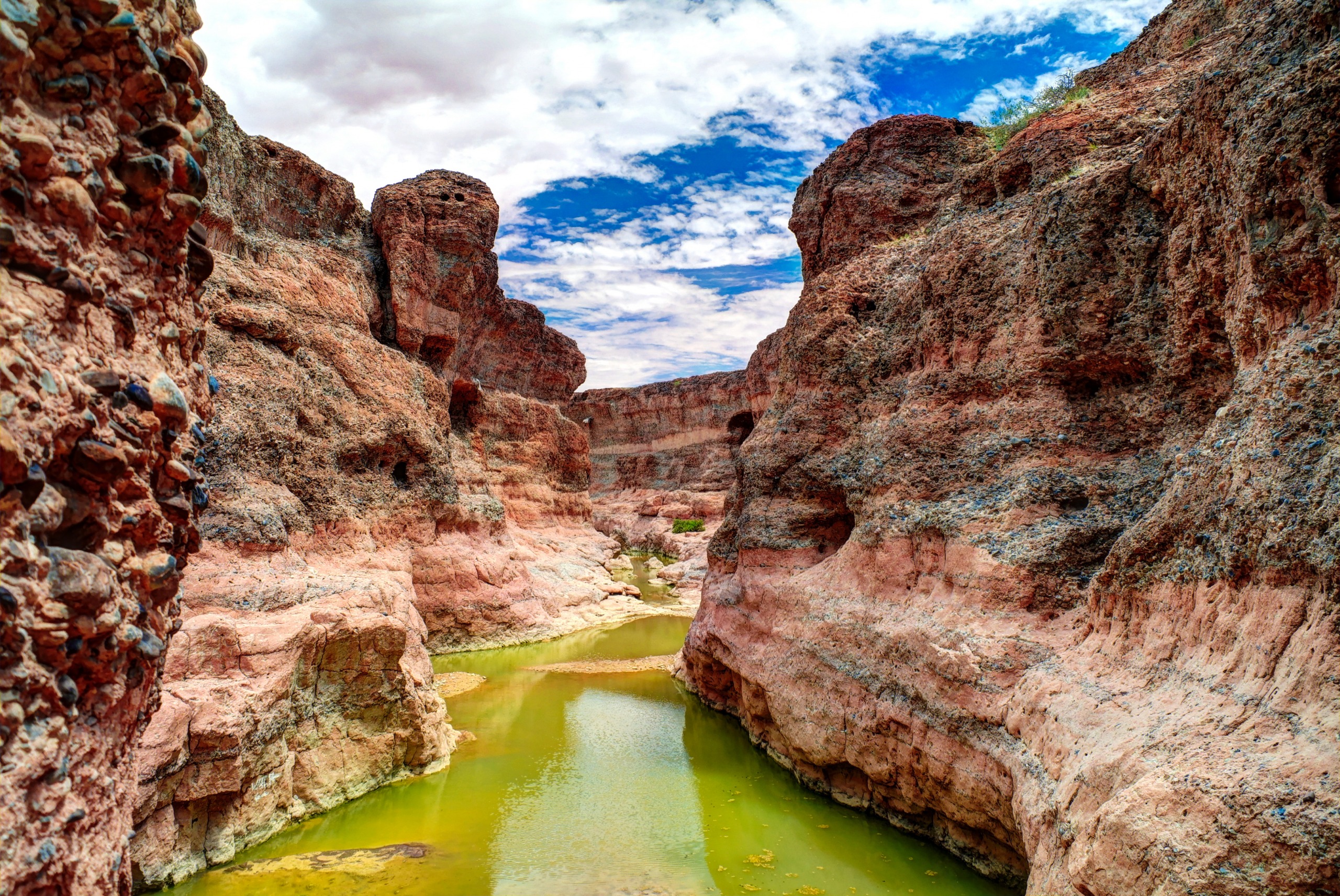
- Sesriem and Sossusvlei: entrance to Namib-Naukluft National Park, red dunes of Big Daddy, Deadvlei, Sesriem Canyon (approximately 1.5 hours south).
- Namib-Naukluft National Park: Naukluft massif, hiking trails, canyon landscapes.
- Atlantic coast: Walvis Bay and the seal colony at Cape Cross heading north.
To extend wildlife experiences beyond the desert, consider Mahango Game Reserve or the Caprivi Strip in the north-east, or the mineral landscapes of Brandberg Massif to the north-west.
Frequently asked questions
Frequently asked questions
Integrating the centre into your trip
The centre fits naturally into a Namibian loop linking the Namib Desert, the Atlantic coast and the central plateau. To build a coherent itinerary around Sossusvlei, Solitaire and Swakopmund, explore our Namibia travel ideas.
Interested in this visit?
We can include it in your personalised itinerary.