Namibia's Most Beautiful Parks and Nature Reserves
Namibia is an African country blessed with wonderful national parks and wildlife reserves.
Namibia is an African country blessed with wonderful national parks and wildlife reserves. Celebrated for their safaris, Namibian lands are also preserved areas where you can admire endangered species and unique endemic fauna! Dreaming of spotting dik-diks, rhinoceroses, wildebeest, or springboks? Follow us and discover Namibia's most beautiful parks and nature reserves!
Etosha National Park: A Place of Incredible Wildlife
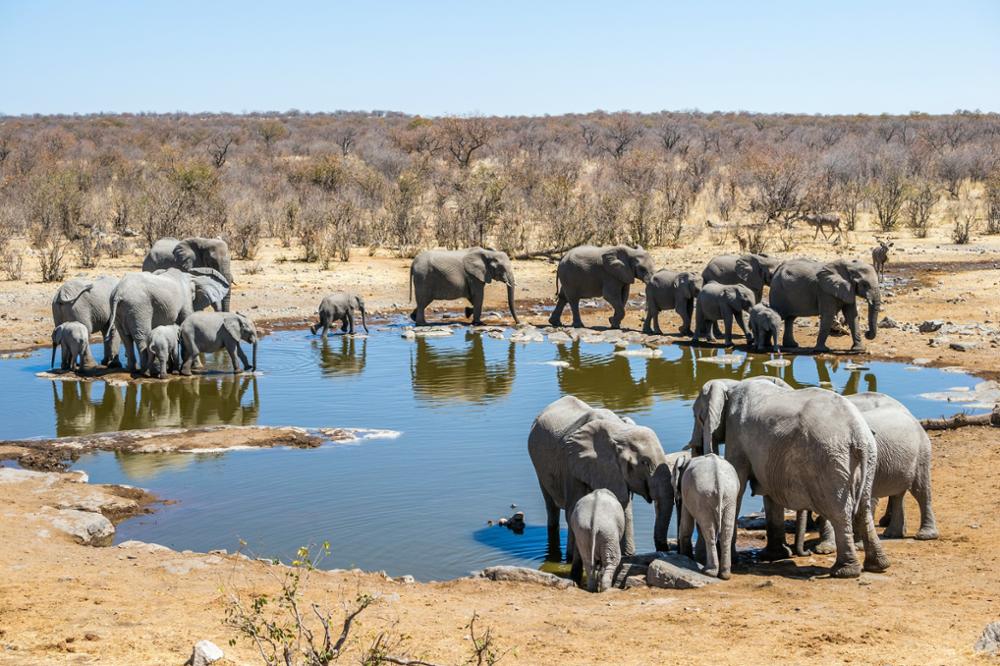
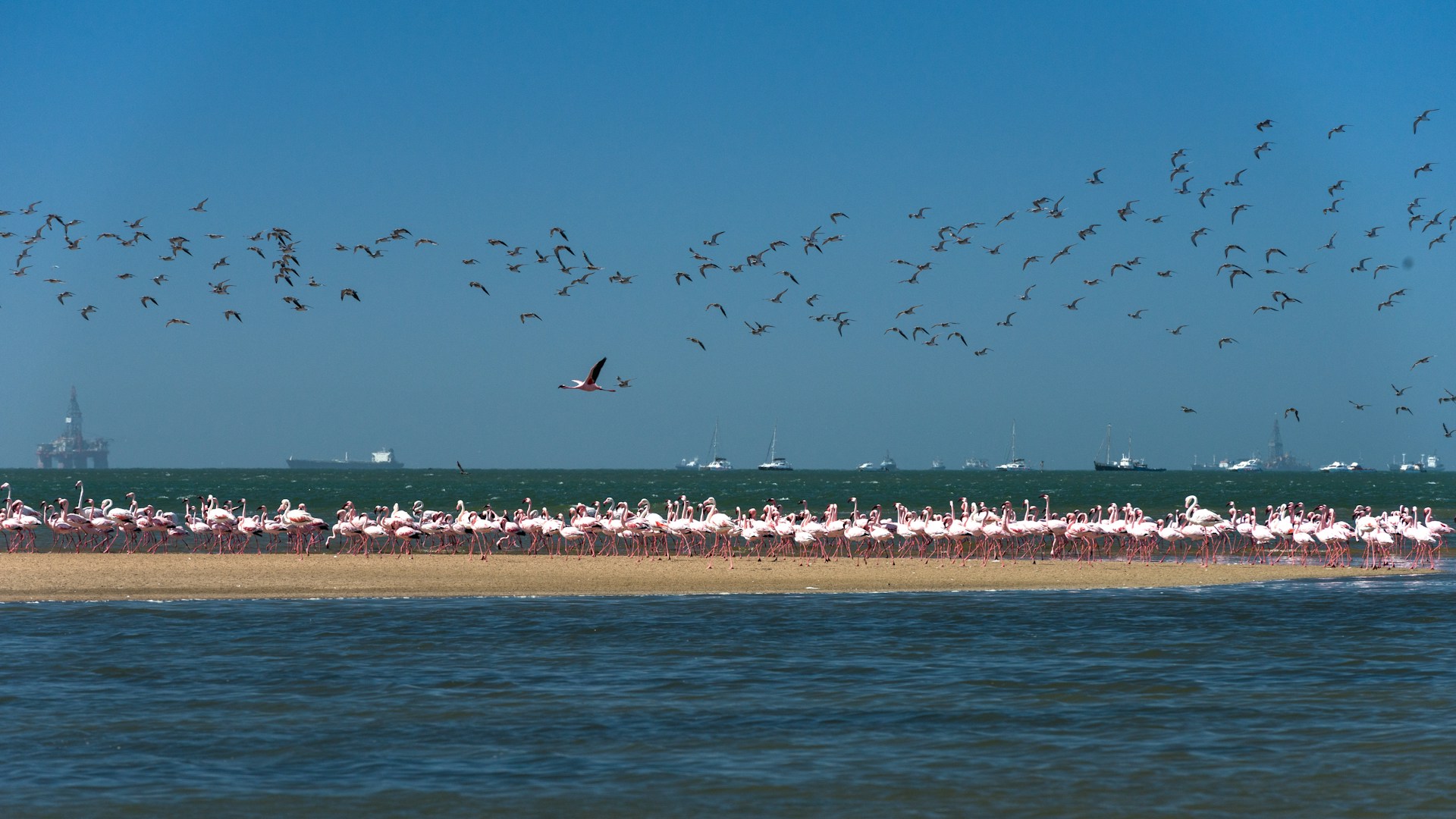
Etosha National Park is an incredible place to observe wildlife. Located in the Kunene region, its territory spans over 22,200 km² – though only a third of the park is open to the public. This area allows you to admire the famous salt desert (visible from space) and over 100 animal species. An opportunity to encounter giraffes, zebras, springboks (jumping antelope), wildebeest, and more than 300 bird species! The dry seasons are the most interesting times to visit the park, as many migratory birds (including pink flamingos) stop here.
Bwabwata National Park: A Reserve Where Animals and People Coexist
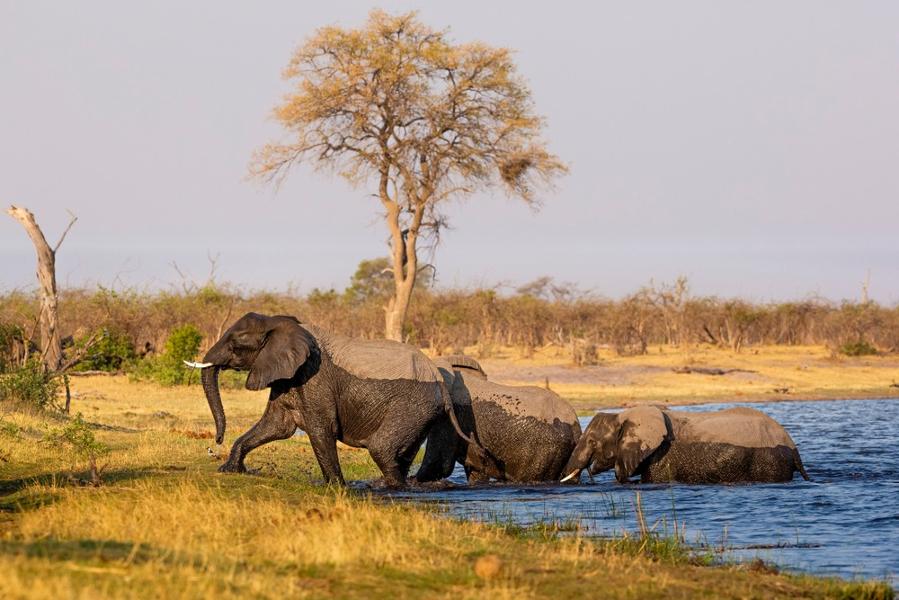
In northern Namibia, you'll find Bwabwata National Park. Created from a merger of the Caprivi and Mahango reserves, it spans over 6,000 km². Its distinctive feature? Approximately 5,500 residents live within the reserve – managing the park themselves. During your safari, you'll encounter lions, hyenas, buffalo, elephants, as well as the sitatunga (an antelope that loves immersing itself in water)! The park is also one of the last refuges for African wild dogs (the painted wolf is one of the most threatened large carnivore species in Namibia).
Damaraland: A Natural Refuge With a Wild West Feel
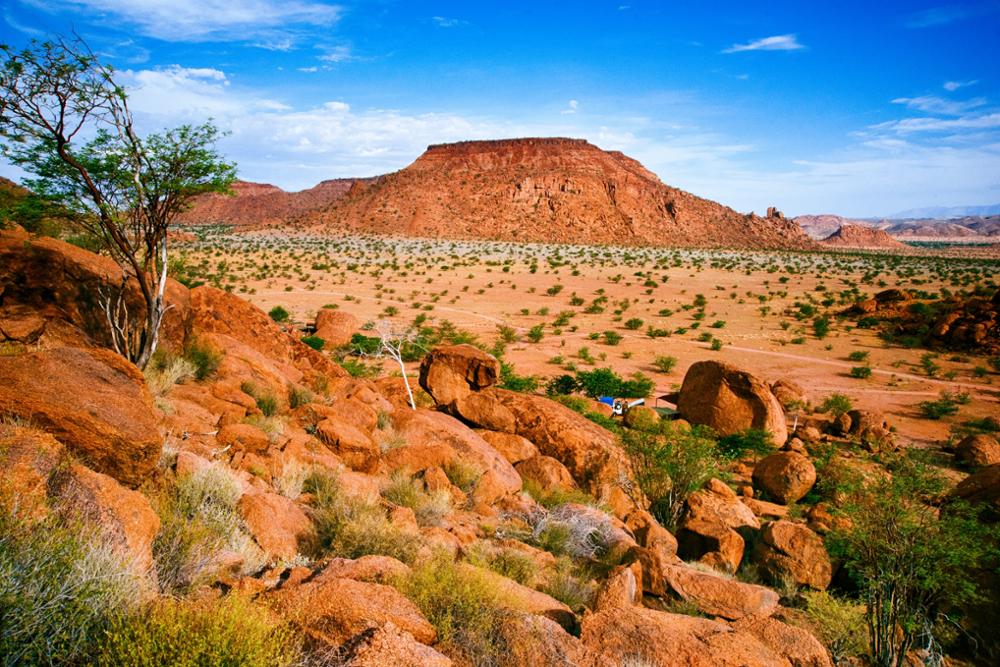
Damaraland is a vast rocky region named after its indigenous people, the Dama. It's known for its landscapes with a Wild West feel (inherited from ancient volcanic activity) and its three main attractions:
The Twyfelfontein Archaeological Site: with over 2,000 rock engravings, this UNESCO World Heritage-listed area is one of the most important concentrations of African rock art!
The Brandberg Massif: also UNESCO-listed, this massif is home to Namibia's highest point (Königstein) at over 2,500 meters altitude. You can admire other rock paintings there, as well as many endemic species.
The "Petrified Forest": this unique place owes its name to its heritage of trees 3 million years old (transformed into fossils over time). This territory is also home to an endemic plant called Welwitschia. Note that this site requires a guide.
The Damaraland region is also a natural refuge where baboons, jackals, warthogs, kudus, and many other amazing animals live!
Waterberg Plateau National Park: One of Namibia's Most Beautiful Nature Reserves
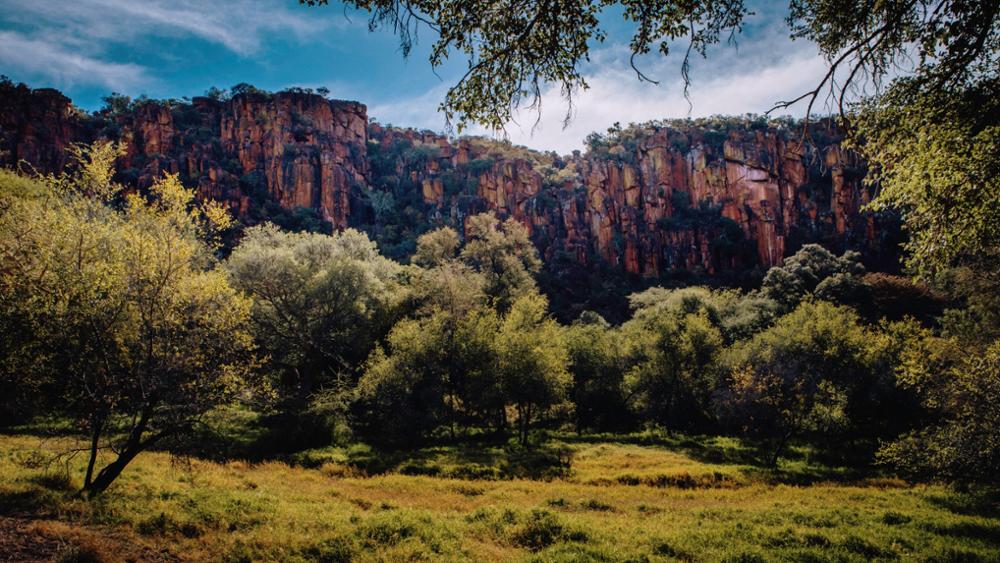
Waterberg Plateau National Park is a vast bush located in the Otjozondjupa region, in the center of the country. Spanning 405 km², it features the famous Waterberg Plateau, which dominates the Kalahari Desert. This elevated area is quite difficult to access, but it's also one of the park's must-see attractions. Why? Endangered species have been placed here, far from predators. In the hollows of its red cliffs nestle impalas, dik-diks, white rhinoceroses, warthogs, and many snakes, including the black mamba (one of the most dangerous in the world)!
Okonjima Nature Reserve: An Essential Park for a Safari
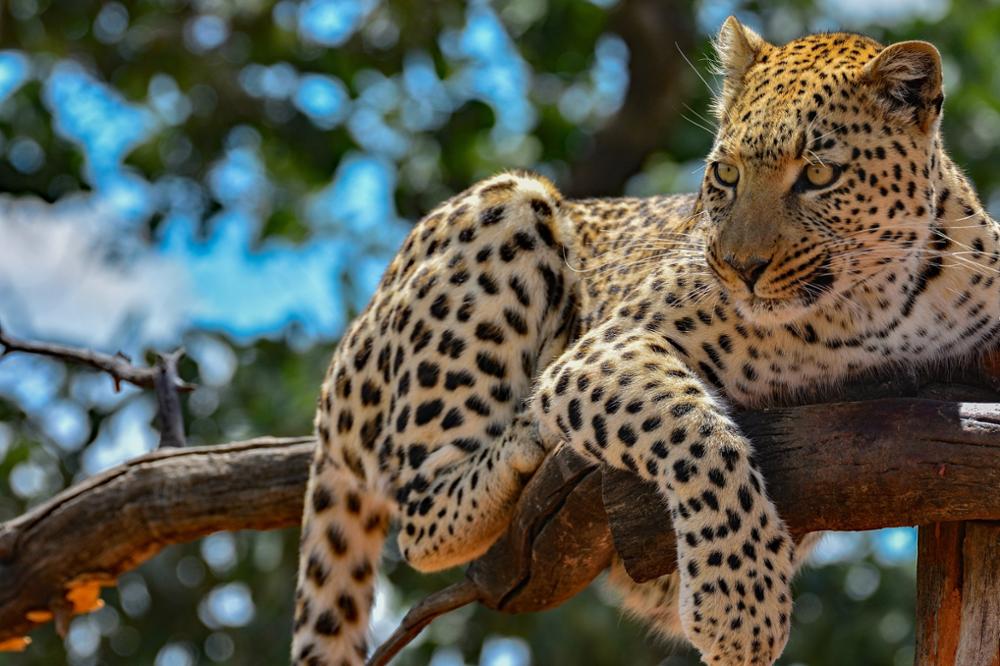
Okonjima Nature Reserve is a private park spanning 22,000 hectares! Created within the Africat Foundation, this reserve is part of a vast large carnivore conservation program in Namibia. It's also considered one of the best spots for photographing leopards. During an exceptional safari, you can also observe brown hyenas, pangolins, lions… and the splendid Omboroko mountains.
Cape Cross: Namibia's Seal Sanctuary
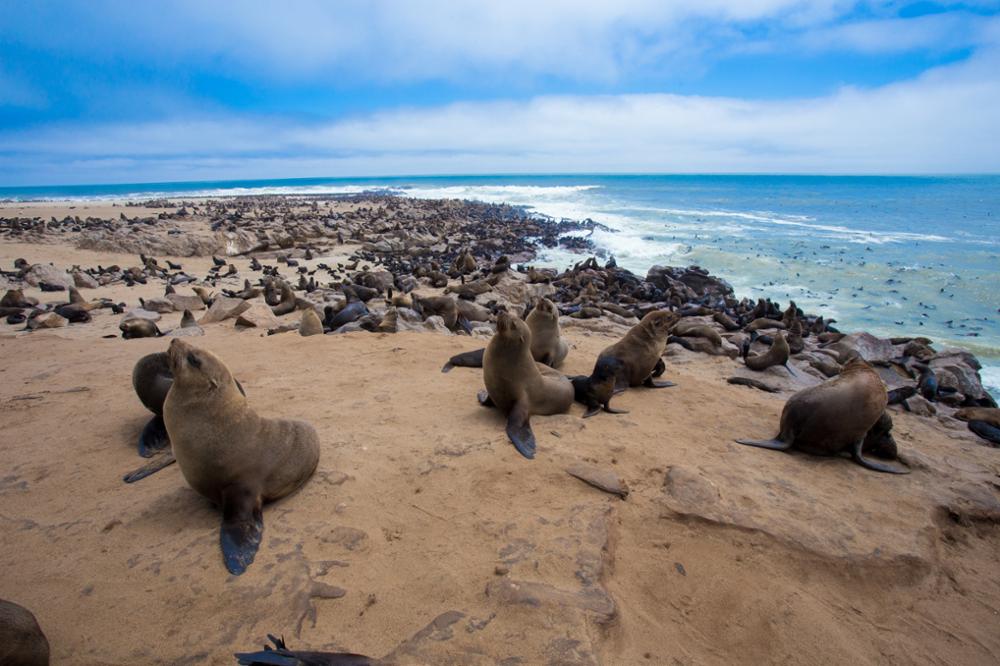
Located on Skeleton Coast, Cape Cross hosts a significant fur seal colony. In December (during breeding season), the reserve counts approximately 100,000 specimens. The animals roar in unison and offer an impressive spectacle! A marked trail allows you to walk among these endearing creatures (males can reach 350 kilos).
Namib-Naukluft National Park: Africa's Largest
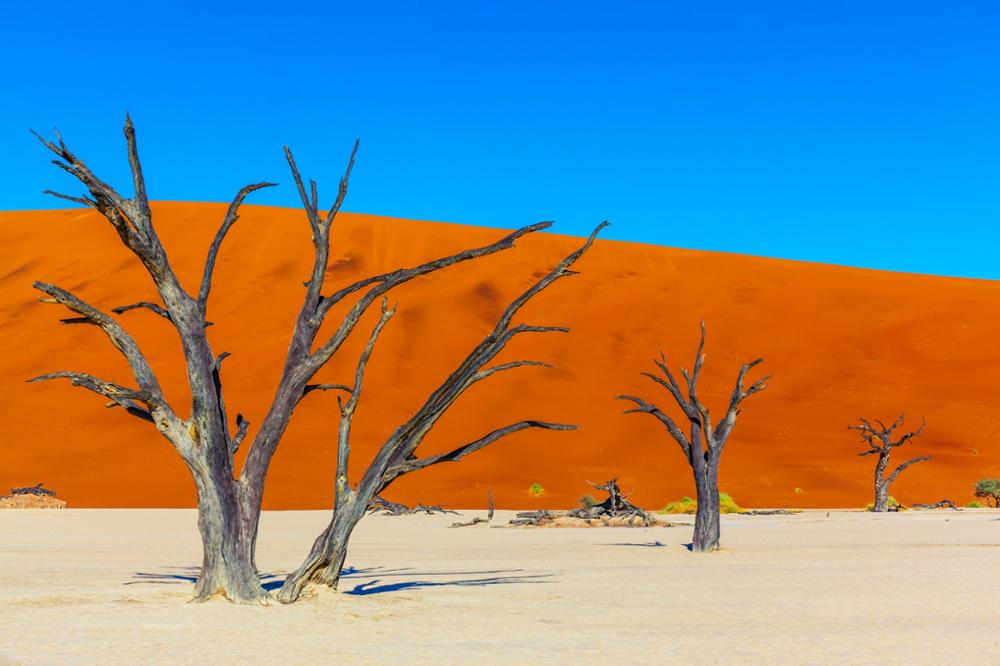
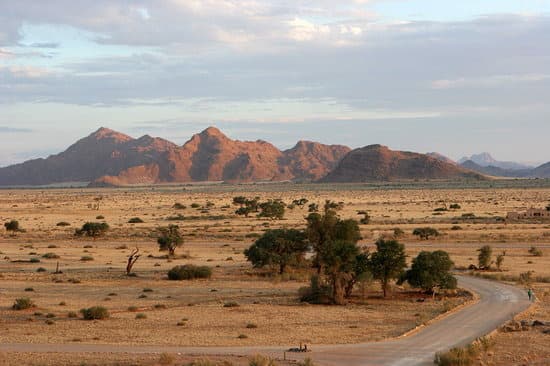
With an area of 50,000 km², Namib-Naukluft National Park is Africa's largest park (and the world's fourth largest)! Located in southwestern Namibia, it features diverse landscapes with its 300-meter-high dunes, savanna, and mountainous massif in shades of red. Its extremely arid territory is home to species adapted to scorching heat (endemic insects, snakes, jackals). Its stunning salt desert is one of Namibia's must-see and authentic destinations.
Frequently asked questions
Namib-Naukluft National Park is Namibia's largest park, with an area of 50,000 km². It is also the world's fourth largest park. It features 300-meter-high dunes, savanna, and a mountainous massif with reddish tones.
The dry season (May to October) is generally considered the best time to observe wildlife in Namibia. For Etosha Park, for example, water sources shrink and animals concentrate around them, making observations easier. Pink flamingos and migratory birds are present during the dry season.
Yes, Namibia has several sanctuaries for rhinoceroses. Waterberg Plateau National Park notably hosts white rhinoceroses in its hard-to-access cliffs, sheltered from predators. Namibia is also one of Africa's most committed countries to black rhinoceros conservation.
Yes, Okonjima Nature Reserve is an example of a private reserve in Namibia, spanning 22,000 hectares. Created within the Africat Foundation, it is recognized as one of the best places to photograph leopards and participates in a large carnivore conservation program.
Yes, Cape Cross Reserve, located on Skeleton Coast, hosts a significant fur seal colony. In December, breeding season, the colony can reach approximately 100,000 individuals. A marked trail allows visitors to approach these animals safely.