Meeting the Himbas in Namibia: What You Need to Know
Planning a trip to Namibia and want to meet the Himbas, a semi-nomadic people with ancestral customs and traditions? Where to see them and under what conditions?
Planning a trip to Namibia and want to meet the Himbas, a semi-nomadic people with ancestral customs and traditions? Where to see them and under what conditions? We share everything you need to know to visit a Himba village ethically and responsibly.
Who are the Himbas?
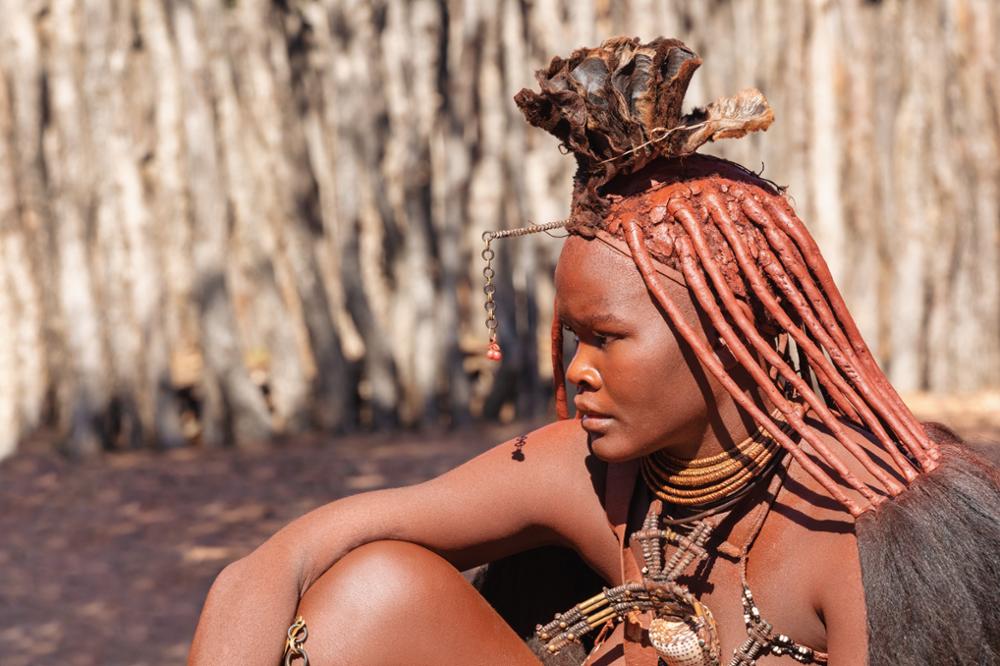
The Himbas are an indigenous Bantu people originating from Southern Africa. This pastoral and nomadic people who became hunter-gatherers suffered the heavy consequences of colonial rule. By force of circumstance, the Himbas became sedentary, living in villages. Yet they have managed to preserve an ancestral way of life.
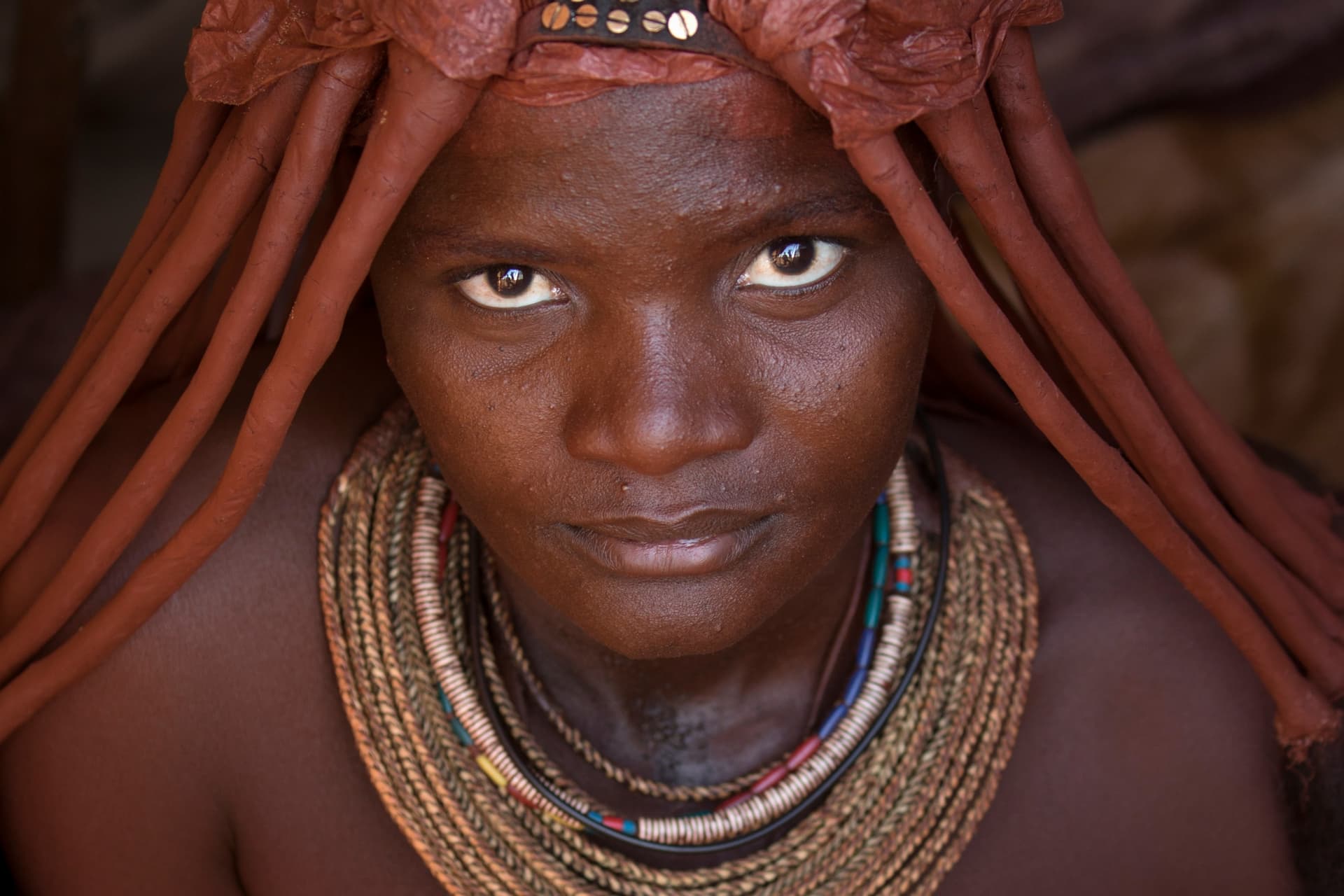
The Himbas follow many traditions. Women, for example, cover their skin and hair with otjize, a mixture of fat and ochre, which they use to protect themselves from the sun and insects.
Beyond clothing customs, the Himba people practice animism. In other words, they believe that all living beings, objects, and even natural elements like stone have a soul. To communicate with their God, they use a sacred fire. This fire must never go out in order to maintain contact between the dead and the living.
Where to See the Himbas in Namibia?
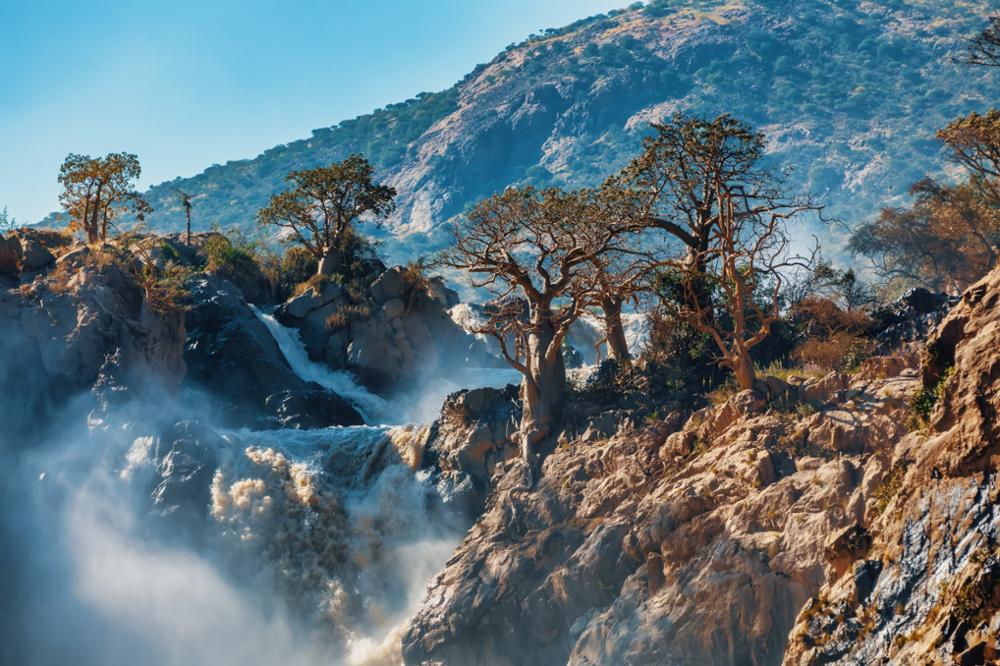
The Himbas live mainly in northern Namibia, in the Kaokoland region, one of the least populated areas of Namibia and considered the territory of the Himba people. A minority of Himba descendants also live on the Angolan side of the Kunene River, the natural border between Angola and Namibia.
Meeting the Himbas During a Trip to Namibia: Good or Bad Idea?
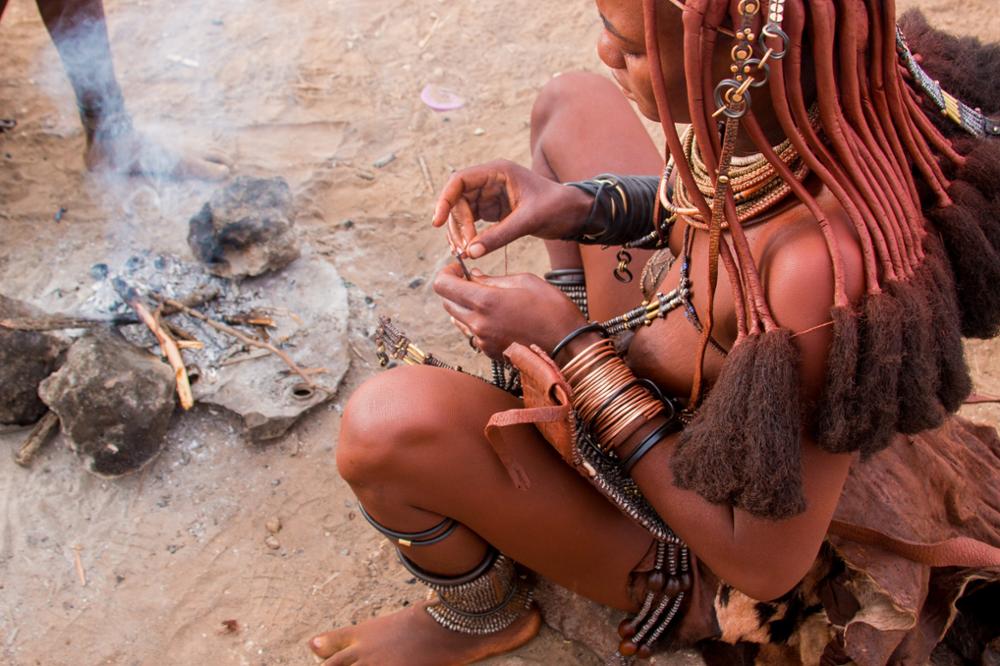
Forced to become sedentary, the Himba people have had to find a balance between modernity and traditions with all the complexity that entails.
While they live essentially from their culture and cattle raising, the Himbas are severely lacking in resources. With their prospects limited by modernization, they have been compelled to find ways to survive and expand their income sources. This is why they have opened themselves to tourism by offering village visits, the sale of artisanal products, and demonstrations of their expertise.
For tourists on a trip to Namibia, it is tempting to want to meet the Himbas to learn more about their way of life and beliefs. But between genuine human encounter and voyeurism, many wonder if visiting a Himba village is a good or bad idea.
In our view, meeting with the Himbas can be worthwhile if there is genuine human exchange between tourists and the Himbas. But above all, it can be beneficial only if it truly supports the resources of this people.
Furthermore, if you wish to visit a Himba village during your trip to Namibia, it is important to ask the right questions and research the conditions of the visit beforehand.
The Right Questions to Ask Before Visiting a Himba Village
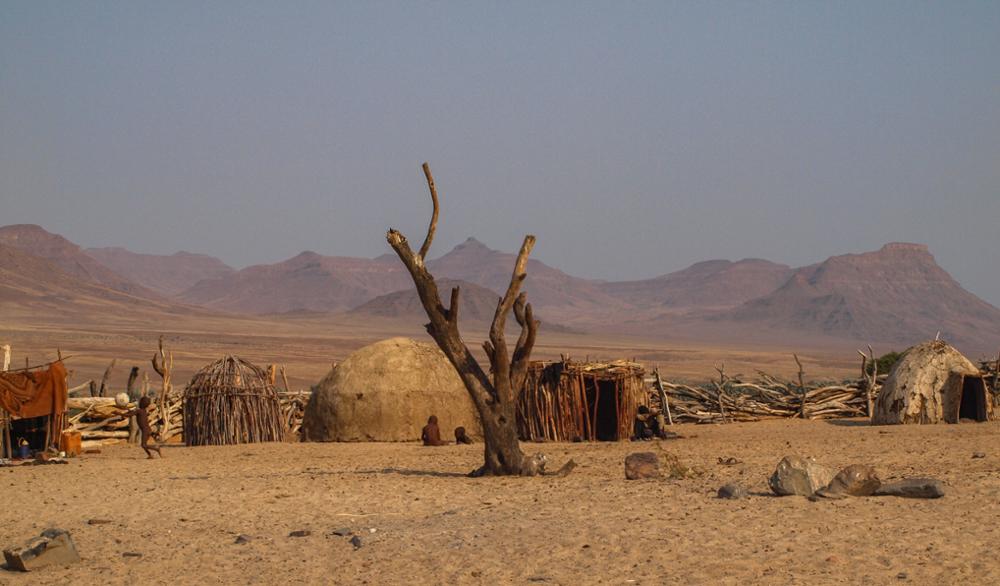
To ensure that your visit benefits the Himba community, here are the questions you should ask yourself before meeting them:
Who founded the village?
Who does this encounter benefit?
Who receives the benefits?
Who receives the revenue from the sale of artisanal products made by the Himbas?
If you have the assurance that the visit truly benefits the Himba community, all that remains is to adopt certain rules of conduct to respect the way of life of this ancestral people.
Rules of Conduct to Adopt When Meeting the Himbas
To help the Himbas protect themselves, an association works to defend their rights. This is the "Kovahimba" association. Its mission? To fight for the preservation of traditions such as nomadic herding, to manage tourism flows, to ensure that the benefits of projects go to communities…
On their website, the association shares several recommendations for visiting a Himba village in an ethical and responsible manner. Here is what you should keep in mind:
Visit the Himbas accompanied by an English-speaking Himba guide. This person can organize the conditions of the meeting and explain the basic rules to follow. Most importantly, this is the best way to genuinely exchange with the Himbas!
Always remain polite and respectful: do not enter a settlement or dwelling without being invited. Similarly, do not take photos without asking permission first.
Bring useful gifts: if you wish to bring gifts to the Himbas during your visit, the association explains that it is unnecessary to bring gifts from your home country. Instead, favor local and sustainable products found in Namibia such as ochre, blankets, or non-perishable foods (oil, cornmeal, sugar, coffee…). Avoid candy and confectionery, which can cause cavities and other dental problems.
Buy artisanal products: you can purchase crafts if they are offered for sale during your visit.
Make donations: the best way to support the Himbas is to make a donation! As the Kovahimba association notes on their site: "the Himbas need money for, for example, repairing their wells, paying for medical care, sending their children to school, vaccinating their herds, taking the shared taxi, buying airtime for their phone, etc.".
Frequently asked questions
The cost of visiting a Himba village varies depending on the conditions and organizer. It is recommended to go through an English-speaking Himba guide or the Kovahimba association to ensure that the benefits go directly to the community. Also plan a budget for purchasing artisanal products and cash donations.
Yes, it is possible to photograph the Himbas, but only after explicitly asking for their permission. It is considered impolite to take out your camera without prior agreement. Some Himbas ask for financial compensation to be photographed, which is entirely legitimate and must be respected.
The best time to visit Kaokoland and meet the Himbas is between May and October, during the dry season. The tracks are more passable and the weather conditions more pleasant. The rainy season (November to April) makes certain roads difficult to access, even in a 4x4 vehicle.
Otjize is a mixture of animal fat and red ochre that Himba women apply to their skin and hair. This ancestral practice serves as natural protection against the sun and insects. Otjize is also a powerful cultural and aesthetic marker, symbolizing Himba beauty and identity.
To guarantee an ethical visit, research the organizer beforehand: is the village managed by the Himba community itself? Do the benefits go directly to the residents? You can contact the Kovahimba association, which works to defend the rights of the Himbas and manage tourism flows, to obtain reliable recommendations.
