Bwabwata National Park
Bwabwata National Park
6,100 km² of plains, rivers and forests in northeastern Namibia: Bwabwata is one of southern Africa's last great elephant corridors.
The Bwabwata National Park is far more than a nature reserve. It is a sanctuary where man, nature and wildlife coexist in perfect harmony.
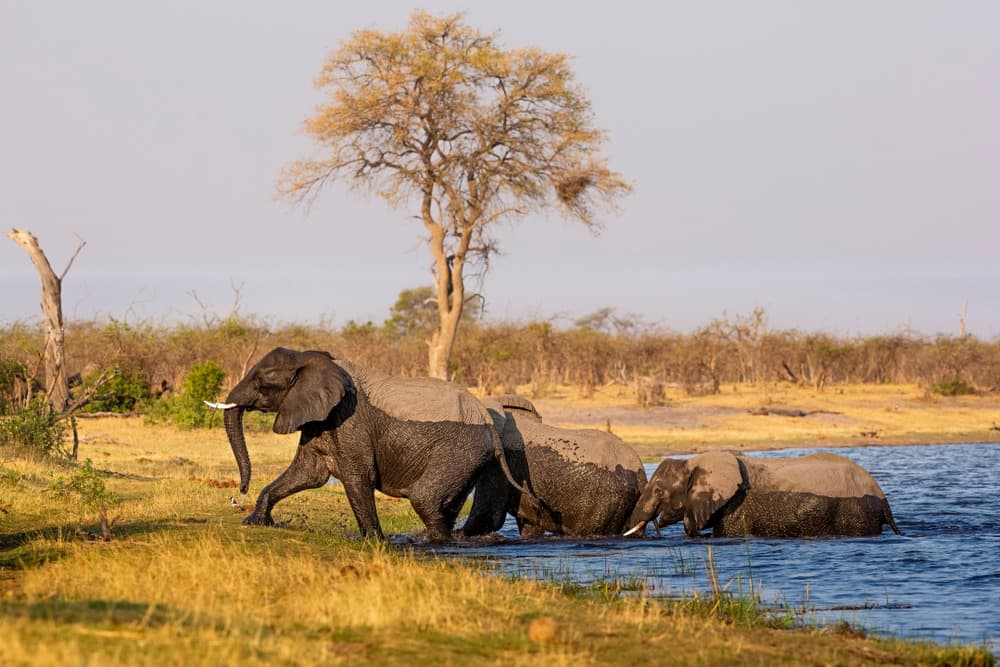
From savanna to wetlands through forests, this region benefits from a diverse environment, ideal for numerous animal and plant species, as well as local communities. It is home to the world's largest elephant population.
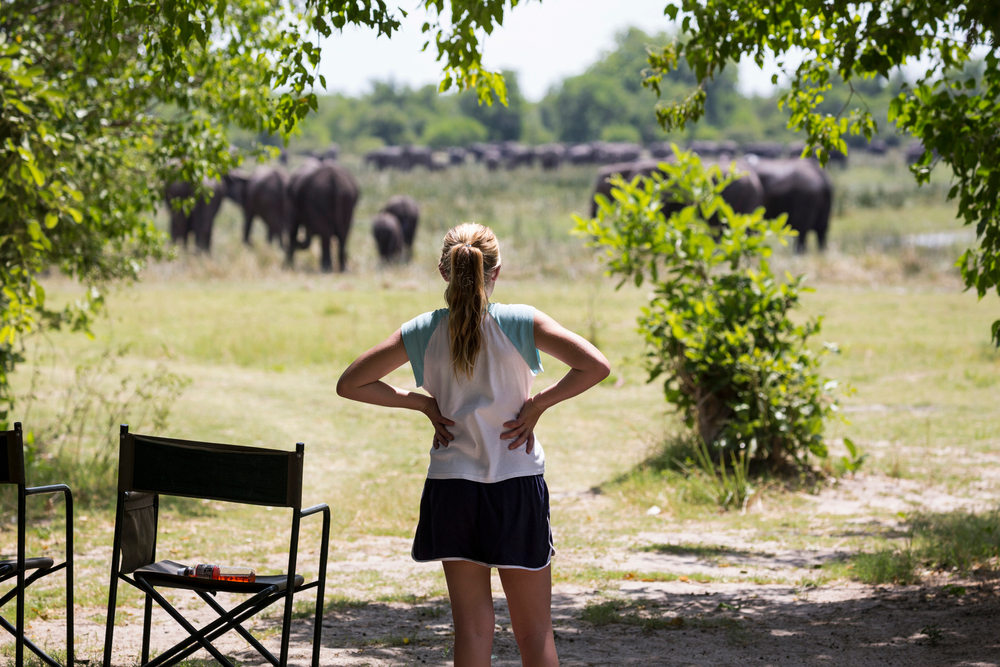
Through a safari along the reserve, you can discover local culture, regional history and encounter native wildlife.
History
The park was established in 1966 under the name "Caprivi Game Reserve". It was renamed "Caprivi Game Park" in 1968.
Subsequently, the South African military erected a military base and occupied the area until 1990.
In 2007, the "Mahango Game Reserve" was incorporated into the protected area. On this occasion, it was renamed the "Bwabwata National Park".
Discovering Bwabwata National Park
Bwabwata National Park is located on a strip of land in northeastern Namibia. Covering an area of 6,100 km², it is bordered to the north by Angola and to the south by Botswana. It is crossed by two major rivers: the Okavango to the west and the Kwando to the east.
Bwabwata is also an important migration zone for elephants and numerous animal species, from Botswana to Angola. It is divided into four main sections: the Mahango zone, the Buffalo zone, the central part of the park and the Kwando zone.
The Mahango Zone
The Mahango Park is located at the far west of the nature reserve. Crossed by a highway, it is divided into two main areas: bushland to the west and the "shoreline" to the east.
This zone features several observation points where you can see majestic baobabs, elephants, buffalo, crocodiles, antelope, zebras and many other animal species. Incredible birdlife particularly appreciates this area.
Buffalo Park
The Buffalo zone is located further east compared to Mahango. It also serves as a refuge for several animal species such as buffalo, sable antelope, warthogs, lions, leopards, and more.
Part of the park includes the remains of the former South African military base, which has become a playground for impalas and kudus.
The Kwando Zone
Kwando Park is situated in the eastern part of Bwabwata. Covering a total area of 1,280 km², it is only accessible by 4x4. You can observe crocodiles and a wide variety of birds. Elephants enjoy drinking from the waters of Horseshoe Lagoon. You may also encounter giraffes, cheetahs, sitatunga or roan antelope.
You'll enjoy stunning views over the surrounding plains from its famous Old Fort Doppies.
Local Wildlife
Bwabwata National Park is home to nearly 1,000 animal species, including 450 bird varieties. It is one of the last refuges for African wild dogs, the species most threatened among large carnivores in Namibia.
Various animals live in harmony within the park including elephants, buffalo, sand antelope, lions, leopards, hyenas, waterbuck, sitatunga, hippopotamus and more.
Among the birds, you can find crowned cranes, African skimmers, African owls, Cape parrots, red and yellow-billed oxpeckers and more.
Flora of Bwabwata National Park
The local flora is a true treasure for budding botanists. Some 869 plant species have been recorded to date. The giant baobab is perhaps the most majestic of all.
Furthermore, the Kalahari forest abounds with broad-leafed trees such as Zambezi teak and false mopane on sandy areas, and Acacia erioloba, camel thorn and Combretum in the Omuramba.
Practical Information
Bwabwata National Park is accessible by car from the town of Rundu, in northeastern Namibia. This locality is served by Rundu Airfield, which accommodates domestic flights from the country's capital.
When to Visit Bwabwata National Park?
During the rainy season, from November to March, heavy downpours inundate the region. Some parts of the park become inaccessible during this period.
The dry season is best for safari at Bwabwata National Park. It runs from April to October each year. Despite high temperatures around 30°C, it's advisable to bring long-sleeved clothing as malaria is present in the region.
Want to discover this destination?
Our local advisors design your tailor-made trip.