Zambezi River
The Zambezi borders northeastern Namibia, offering hippos, crocodiles and exceptional birdlife. From Katima Mulilo, cruises, sport fishing and Lozi villages compose an experience radically different from the rest of the country.
The Zambezi marks Namibia's northeastern border, in the region that has borne its name since 2013. Africa's fourth longest river, it flows here through a floodplain rich in aquatic wildlife and birds. It is one of the few places in Namibia where water dominates the landscape, starkly contrasting with the deserts elsewhere in the country. The town of Katima Mulilo is its main gateway.
Quick Facts at a Glance
- Access: Katima Mulilo is accessible via the B8 (Caprivi Strip) from Rundu or from Zambia via the Katima Mulilo bridge.
- Recommended Duration: Half a day for a cruise or fishing outing; several days to explore the surrounding wetlands.
- Attire: Light clothing, hat and sun protection essential on the water.
- Health: Malaria-endemic zone — prophylaxis recommended before departure.
What You'll See
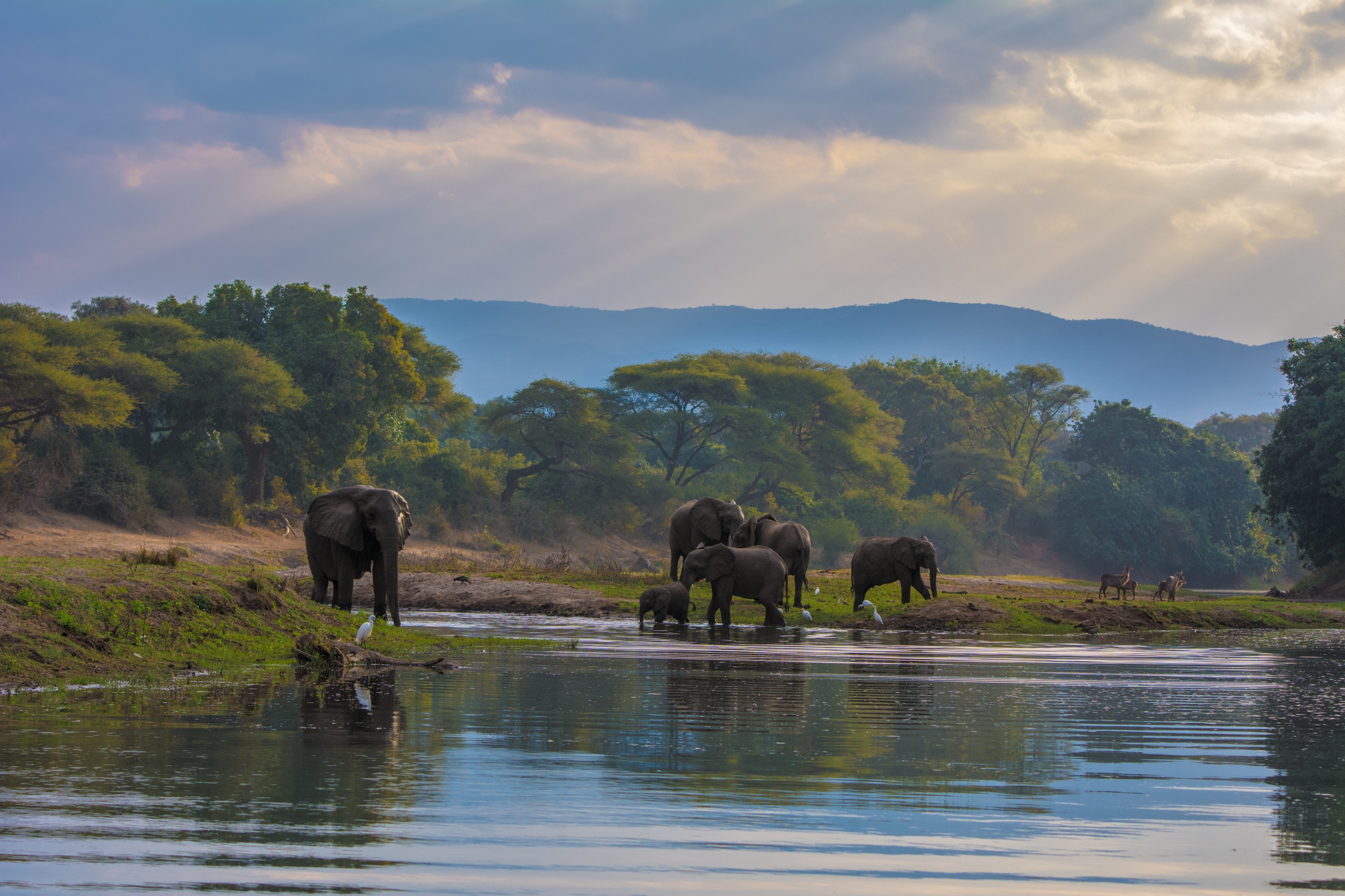
The river is home to hippos and Nile crocodiles in abundance. The banks welcome hundreds of bird species: giant kingfisher, African fish eagle, Goliath heron. During the rainy season (November-April), the floodplains transform into spectacular wetlands. Lozi fishing villages dot the banks, with their traditional dugout canoes carved from logs.
History and Context
The region was called Caprivi until 2013, a name inherited from German Chancellor Leo von Caprivi, who negotiated this corridor in 1890 to give Germany access to the Zambezi. The Caprivi Strip remained isolated from the rest of Namibia for decades and was marked by political tensions until the late 1990s. The Lozi, Mafwe and Subia peoples have lived here for centuries, organized around the river and its resources.
Highlights of the Visit
Sunset Cruise
Lodges in Katima Mulilo offer boat outings in late afternoon. Golden light on the river, hippos surfacing and fish eagles in flight make this one of the most photographed moments in the region.
Tigerfish Fishing
The Zambezi is renowned for tigerfish (Hydrocynus vittatus), a feisty fish highly prized by sport anglers. Local guides organize outings from Katima Mulilo.
Hippo Watching
Sandbanks in mid-river serve as daytime resting spots for hippos. A motorboat approach at reduced speed, guided by an experienced guide, allows for observation at a reasonable and safe distance.
Photography Tips
Light is optimal early morning and in the hour before sunset. From a boat, a telephoto lens (200 mm minimum) is useful for wildlife. Avoid flash near hippos and crocodiles. The sky's reflection on the river at day's end offers natural compositions effortlessly.
Location and Access
The Zambezi borders the town of Katima Mulilo, at the eastern tip of the Caprivi Strip. The B8 connects Katima Mulilo to Rundu (approximately 500 km to the west) and the Zambian border. An international bridge spans the river into Zambia. Katima Mulilo Airport receives flights from Windhoek. Most lodges are situated directly on the banks and organize river activities.
Nearby Attractions
- Bwabwata National Park — reserve traversed by the B8, with elephants, buffalo and lions in a forest and savanna ecosystem.
- Popa Falls — rapids of the Okavango River, west of the region, accessible in one day from Katima Mulilo.
- Mudumu National Park — less-visited park on the Zambezi border, excellent for elephant and water bird observation.
- Lake Liambezi — seasonal lake fed by the Zambezi, refuge for migratory birds and traditional Lozi fishermen.
Frequently asked questions
The dry season (May-October) is ideal: wildlife concentrates near water, tracks are passable and malaria risk is lower. The rainy season (November-April) offers lush landscapes and richer birdlife, but some tracks become impassable.
Yes. The river is home to Nile crocodiles and hippos. Swimming is strongly discouraged. Even on the banks, remain vigilant and follow local guides' instructions.
Yes, a Zambian visa is required for most nationalities. The Katima Mulilo border post is open during daytime. Check consular requirements before departure according to your passport.
Yes. Victoria Falls lie downstream at the Zimbabwe-Zambia border. From Katima Mulilo, it is possible to reach Livingstone (Zambia) or Victoria Falls (Zimbabwe) by car or plane to complete your itinerary.
The Zambezi region is endemic for malaria. Consult a doctor before departure for appropriate prophylaxis. Use repellents and mosquito nets, especially during the rainy season.
Interested in this visit?
We can include it in your personalised itinerary.