Namib Desert
The world's oldest desert, where the orange dunes of Sossusvlei meet the Naukluft limestone plateau, five hours' drive south of Windhoek.
The Namib Desert stretches nearly 2,000 kilometers along the Atlantic coast, from southern Angola to the Orange River mouth. The most visited section lies within Namib-Naukluft Park, Africa's second-largest protected area by size, with its main entrance at the village of Sesriem, approximately 300 kilometers southwest of Windhoek via routes C26 and C19. This desert ranks among the world's oldest, with an estimated continuous aridity spanning 55 million years.
The Sossusvlei sector concentrates the landscapes that made the country's reputation: a succession of orange dunes, stabilized by their iron oxide content, rising more than 300 meters. Big Daddy reaches 325 meters above Deadvlei pan, a white clay basin studded with Vachellia erioloba trunks dead for 700 to 900 years. Dune 45, accessible at kilometer 45 along the road from Sesriem, is the most photographed for its regular profile and proximity to the track. Hiddenvlei, a 2-kilometer walk from the parking area, remains quieter in mid-morning.
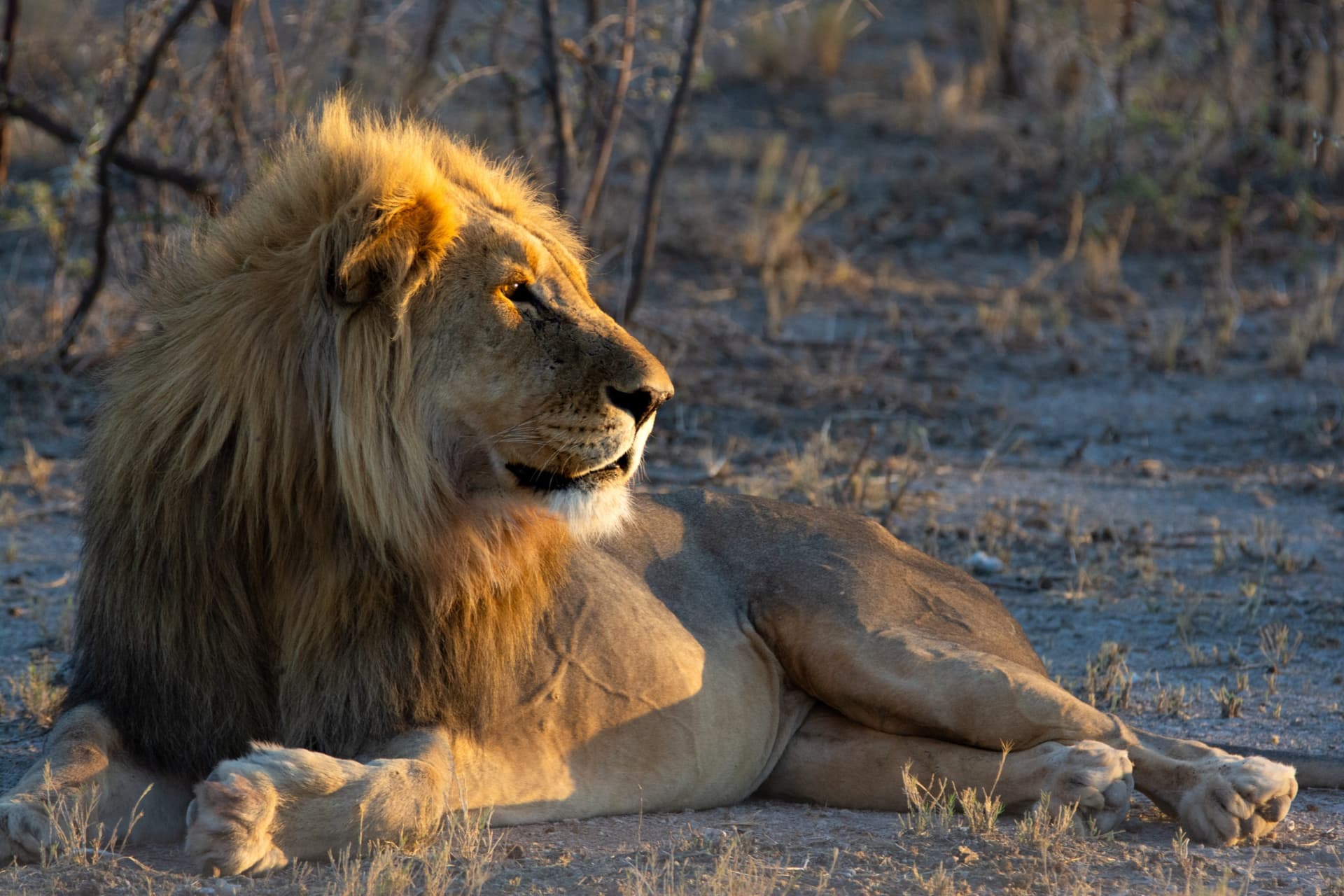
Beyond Sossusvlei, the Naukluft massif takes over with a limestone plateau carved by canyons and rocky ledges, where herds of oryx, springbok, and Hartmann's mountain zebras roam. Sesriem Canyon, carved by the Tsauchab River through conglomerates 15 million years old, stretches one kilometer long and 30 meters deep. Further west, NamibRand is a private reserve of 215,000 hectares offering more varied landscapes, blending grassy plains, granite inselbergs, and small dune fields.
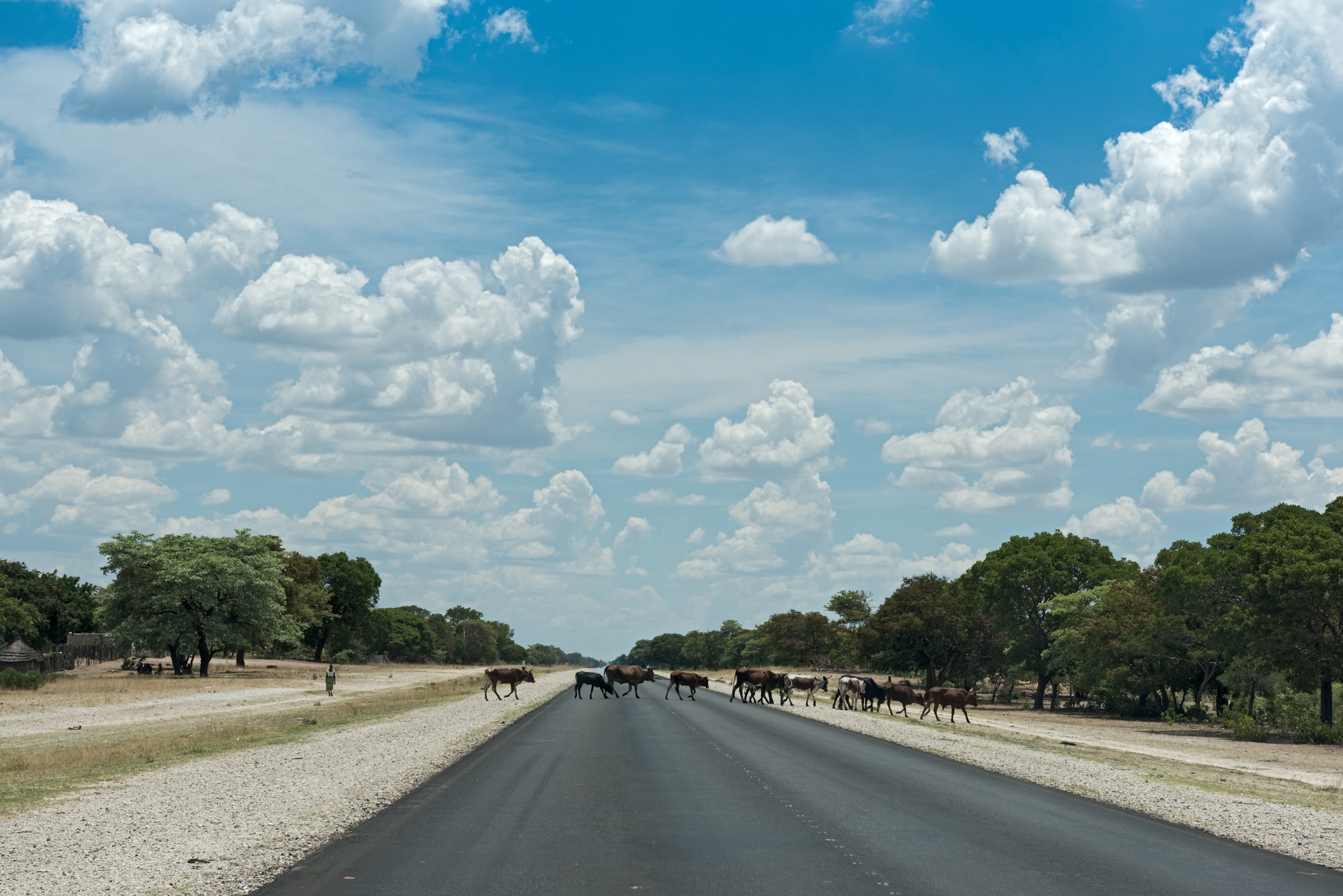
The desert is far from empty. The Topnaar, a subgroup of the Nama people, have lived for several centuries along the Kuiseb River north of Sesriem, still drawing part of their sustenance from !nara, an endemic cucurbitaceous plant whose seeds are sold in Walvis Bay. Farther south, the village of Solitaire, a simple crossroads 80 kilometers from Sesriem, is known for its bakery operating since 1948 and its apfelstrudel, a vestige of German presence. The nearby Büllsport farm, at the foot of Naukluft, testifies to the extensive livestock farming that remains the region's dominant economic activity, with farms ranging from 5,000 to 20,000 hectares supporting a few hundred head of cattle.
Climate sets the rhythm. Temperatures can swing from 5°C before dawn in June-August to 35°C in the afternoon during December-February. Coastal fog, formed by the meeting of the cold Benguela Current and the desert's warm air, rises some nights up to 80 kilometers inland and supports specialized fauna: the tenebrionid beetle Onymacris unguicularis collects dew on its back, the webbed-toed gecko Pachydactylus rangei hunts at night on the ridge crests. These conditions, more than the dunes themselves, define the Namib's ecological distinctiveness.
The park entrance opens at sunrise for external visitors, but travelers staying within the barrier at Sossus Dune Lodge or Sesriem campsite can depart an hour earlier and reach Deadvlei before the tour buses arrive. This timing difference transforms the experience: at 6:30 a.m., the low-angle light still separates illuminated from shadowed slopes, and temperatures remain below 20°C even in summer.
Must-See
Deadvlei at dawn. 45 minutes' walk from the 4x4 parking area to reach the white clay basin ringed by Big Daddy. Dead trunks stand out against the orange dune between 6:30 and 8:30 a.m., before contrast flattens.
Climbing Dune 45. One hour's ascent along the ridge from the road for 170 meters of elevation gain. Sand compacts better in early morning, and descent via the steeper western slope takes just minutes.
Sesriem Canyon. One-hour walk through the Tsauchab gorge bottom, between 30-meter conglomerate walls. Ideal late in the day when the dunes are crowded.
Hot air balloon flight. Departure at dawn from Sesriem or Kulala for one hour above the dune field, followed by breakfast served in the desert. Flights operate April through mid-January depending on winds.
Naukluft Plateau on foot. The Olive Trail loops 10 kilometers over four hours through a limestone canyon frequented by mountain zebras. Mandatory departure before 9 a.m. in summer.
When to Visit
The dry season, May through October, remains the most comfortable for exploring the Namib. Daytime temperatures peak at 22-26°C, skies are clear, and tracks remain passable. Nights drop to 0-5°C in June and July, sometimes below freezing at Sesriem: a sleeping bag or fleece is essential for pre-dawn departures. September and October bring a gradual temperature climb to 30°C in the afternoon, with light that remains crisp.
From December through March, daytime temperatures reach 35 to 40°C in the dunes, severely narrowing the comfortable walking window to 6-10 a.m. Brief storms may strike the Naukluft in February-March and temporarily muddy secondary tracks, but annual rainfall at Sesriem rarely exceeds 100 millimeters. April and November offer a good compromise: daytime temperatures of 25 to 30°C, little wind, and lower crowds than July-August, peak season for European visitors.
Practical Advice
We recommend a minimum of two nights at Sesriem or nearby lodges to experience a full dawn at Sossusvlei, an afternoon to recover, and ideally a second outing to a less crowded site like Hiddenvlei or the canyon. Three nights allow you to add a hike on the Naukluft or a hot air balloon flight. Access is by road from Windhoek, five hours via Solitaire, or by charter flight in one hour to Geluk or Kulala airstrip for those wanting to save time.
The region pairs naturally with Swakopmund and the Skeleton Coast to the north, six hours' drive via Gaub Pass, then with Damaraland and Etosha Park for a classic 12 to 15-day circuit. To the south, two days of driving suffice to reach Lüderitz and Fish River Canyon. Comfort levels range from Sesriem's equipped camping to NamibRand lodges with private pools and stargazing. The Namib suits families with children over 7 years old, capable of a 45-minute walk in sand, as well as contemplative travelers seeking light and silence. Experienced hikers can consider the Naukluft Hiking Trail, 120 kilometers over eight days, open only March through October.