Hwange National Park
Hwange National Park
Larger than the Serengeti, Hwange National Park offers an authentic Zimbabwe safari: 46,000 elephants, the Big Five, and Kalahari landscapes, just 2 hours from Victoria Falls.
Spanning over 14,600 km², Hwange National Park ranks among Zimbabwe's most significant nature reserves. It is home to a rich diversity of fauna and flora, including more than 100 species of mammals—among them lions, elephants, cheetahs, leopards, and buffalo. The park is home to 9 of the country's 10 protected species, including the white rhinoceros, an endangered specimen. Hwange National Park stands apart for its vast expanse that offers a safari away from the crowds.
Larger than the Serengeti National Park in Tanzania, it welcomes nearly 43,000 visitors annually—a density of just 3 people per km². You won't encounter the convoys of 4x4s that obstruct movement elsewhere.
A Brief History of Hwange Park
Hwange National Park gained protected reserve status in 1928 under the name Wankie Game Reserve. At that time, hunting by settlers had devastated the local ecosystem, rendering the land unsuitable for agriculture.
The government decided to establish a natural park in its place. Ted Davison was appointed as the site's warden. He made considerable efforts to progressively expand and repopulate the reserve. His monumental work led to Hwange receiving National Park status in 1949 under its current name, inspired by a local chief.
Today, the 1.4 million hectares that comprise the park rank among Southern Africa's most compelling destinations. As mentioned earlier, Hwange hosts extraordinary wildlife diversity despite occasional poaching threats.
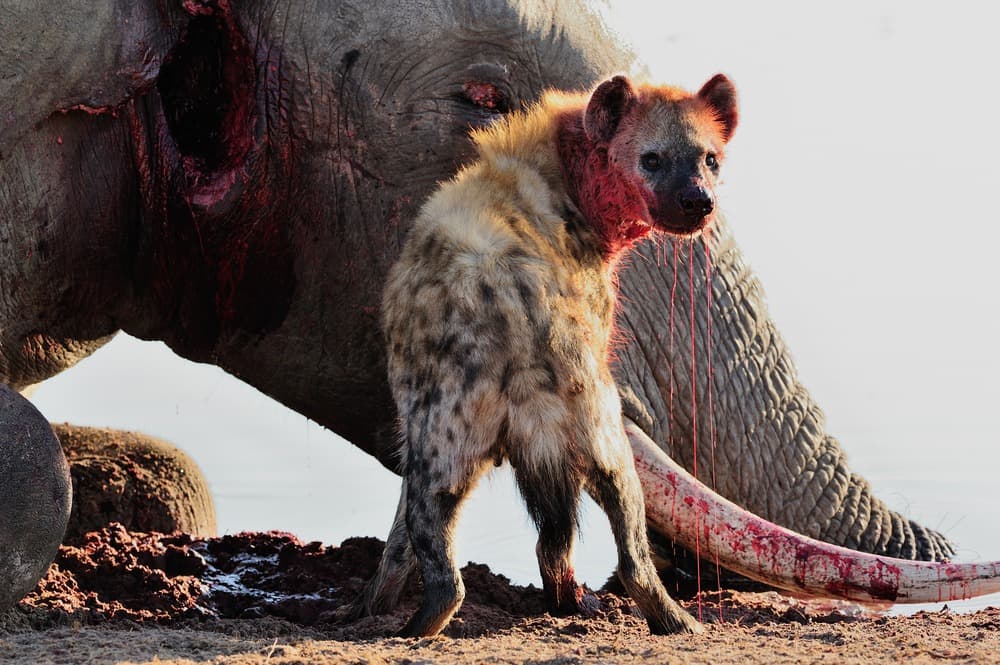
In 2013, for instance, a significant number of elephants were killed by poachers using cyanide, which they had placed in water holes. The park contains all the species that make African wildlife magnificent: buffalo, elephants, impalas, lions, hyenas, giraffes, leopards, and countless others. It provides all the infrastructure necessary to observe these impressive animals with the utmost respect for nature.
What to See in Hwange National Park?
When speaking of African national parks, safaris are the first thing that comes to mind. Exploring Hwange National Park, you'll have ample opportunity to observe the site's wildlife treasures. You can enjoy game drives or classic 4x4 safaris according to your preferences. The park is home to approximately 46,000 elephants—compare that to Kenya's Masai Mara with 3,700, South Africa's Kruger with 13,750, and Tanzania's Serengeti with 2,100. Here you'll discover unparalleled faunal diversity: sable antelope populations, wildebeest, zebras, wild dogs, and more.
You have the option of being accompanied by a guide who will explain animal behavior and direct you to the best viewing spots. Certain species are challenging to locate, and it often takes insider knowledge to spot them. Your guide will lead you to where they congregate. For example, they might take you to Mandavu Dam to observe the multitude of mammals coming to drink. The same applies to Masuma Dam or Detema. Be sure to embark on a walking safari to immerse yourself in the surrounding nature and discover select plant species. This is possible both during the day and at night under moonlight, promising an extraordinary experience. It's an opportunity to undertake hikes of varying lengths according to your preferences. For fishing enthusiasts, numerous excursions are available to get closer to aquatic species.
Throughout your adventure in Hwange National Park, you'll be invited to admire the splendor of its natural environment. The area offers diverse vistas that will take your breath away. You can visit Dom Waterhole, which offers the chance to witness a stunning sunset. To marvel at extraordinary landscapes, venture toward Ngweshla Pan.
Following your exploration of the park, you'll have the opportunity to connect with the residents of Hwange. To do so, head to town and visit the school supported by tourism. As the students adore receiving visitors, they'll greet you with joyful cries and songs. Afterward, prepare yourself to answer countless questions from these children. Teachers encourage such encounters, as they provide a wonderful opportunity for their students to meet people from different nationalities and learn about foreign cultures.
Combining Exploration of the Park with Victoria Falls and the Okavango Delta
Hwange National Park is located approximately 2 to 3 hours from Victoria Falls. Take this opportunity to discover these, the world's most spectacular waterfalls. Several transportation options make this journey possible. If time permits, it's also worthwhile to combine your trip with a visit to the Okavango Delta.
Practical Information
When to Visit Hwange for a Safari?
Generally speaking, the region is extremely arid. The survival of animals during the dry season depends on artificial water points to which they flock. During the rainy season, from November to February, heavy storms occur, but from May onward, a prolonged drought sets in with not a drop of water. It's therefore easier to observe animals during the dry season by simply visiting the water holes. However, the landscapes are considerably drier or even austere. Throughout the day, temperatures are pleasant, rising during October and November. From May to July, nights are cold and early mornings are cool.
Want to discover this destination?
Our local advisors design your tailor-made trip.