Chobe National Park
Chobe National Park
Chobe National Park in northern Botswana is often visited as an extension of a Namibian circuit from Kasane or the Caprivi Strip. Elephants, Savuti marshes, birds.
Located at the far north of Botswana, Chobe National Park is very often visited as an extension of a Namibian circuit, from the Caprivi Strip or the border town of Kasane. Renowned for its concentrations of African bush elephants and the richness of its wetlands, it combines four ecosystems (Chobe River, Savuti marshes, Linyanti marshes, interior forests) over an area of approximately 11,700 km².
Why visit Chobe Park
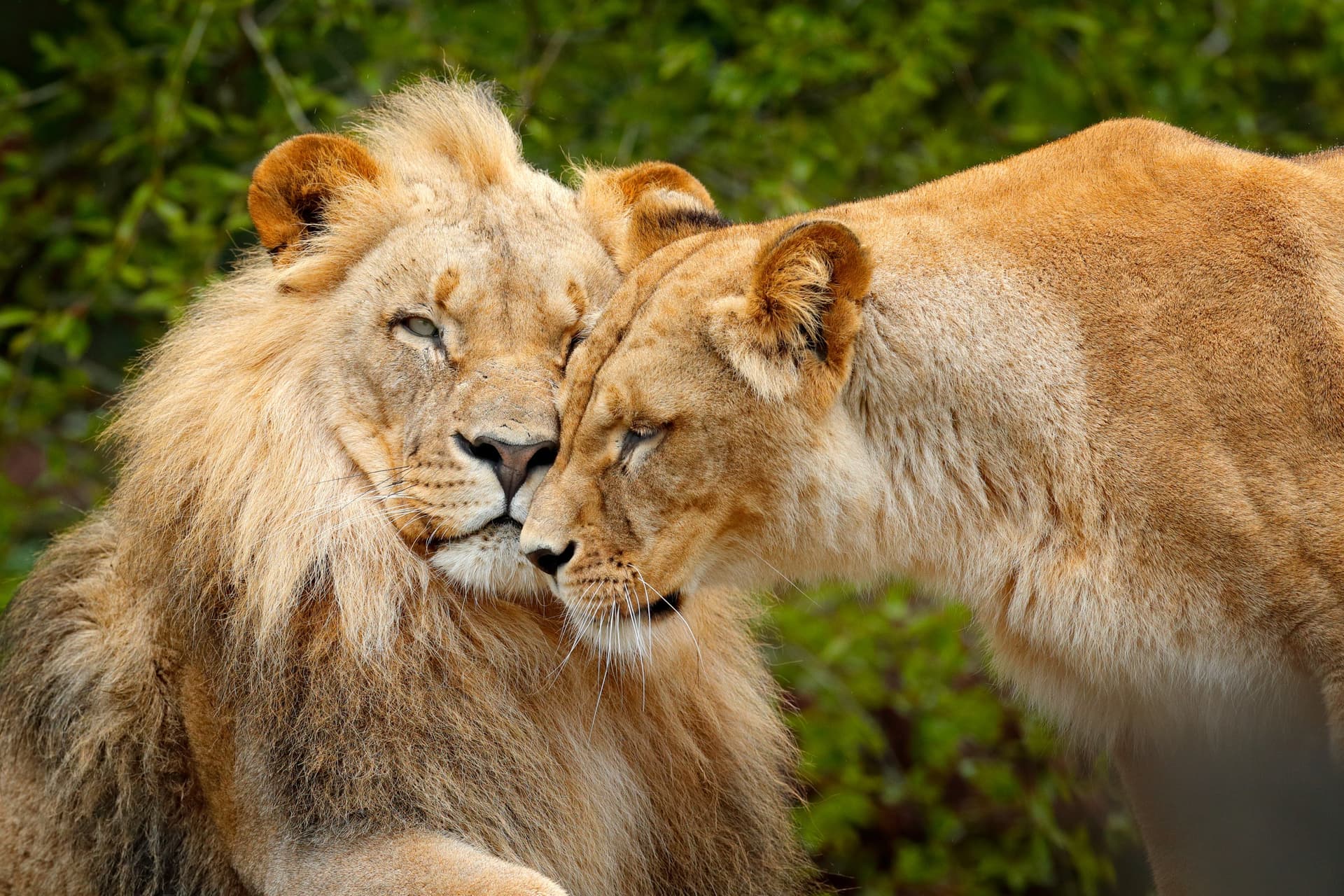
Chobe ranks among Botswana's largest national parks and hosts one of the highest elephant densities in southern Africa, particularly visible along the Chobe River during the dry season. The park is also known for a rare behaviour documented at Savuti: certain lion prides occasionally hunt young elephants, a phenomenon observed mainly during prolonged drought periods.
For birdwatchers, more than 450 bird species have been recorded, including carmine bee-eaters, spoonbills, storks and numerous water birds. The diversity of habitats allows visitors to spot within just a few safari days puku antelopes, sitatunga, roan antelopes as well as Nile crocodiles and hippopotamuses.
Park History
The region was long inhabited by the Basarwa (Bushmen) people, hunter-gatherers whose presence is attested by San rock paintings visible in the park's rocky hills.
The idea to protect the area emerged in 1931, driven by wildlife conservation and tourism development goals. In 1932, a no-hunting zone of 24,000 km² was established around the Chobe district, then expanded to 31,600 km² in 1934. The project was interrupted by a tsetse fly epidemic in 1943.
A game reserve of 21,000 km² was created about a decade later, before achieving national park status in 1967. The timber industry established at Serondela was gradually dismantled: no economic activity has been conducted there since 1975. The park subsequently expanded in 1980 and 1987, which defined its current boundaries.
What to see in the park
The Chobe River
The northeastern sector, which runs along the river, constitutes the park's most frequently visited core. The banks welcome herds of elephants coming to drink and bathe, as well as giraffes, African buffalo and sable antelope. The vegetation alternates between floodplains, mahogany and teak forests. This is where boat safaris are conducted, particularly productive at the end of the day.
Savuti Marsh
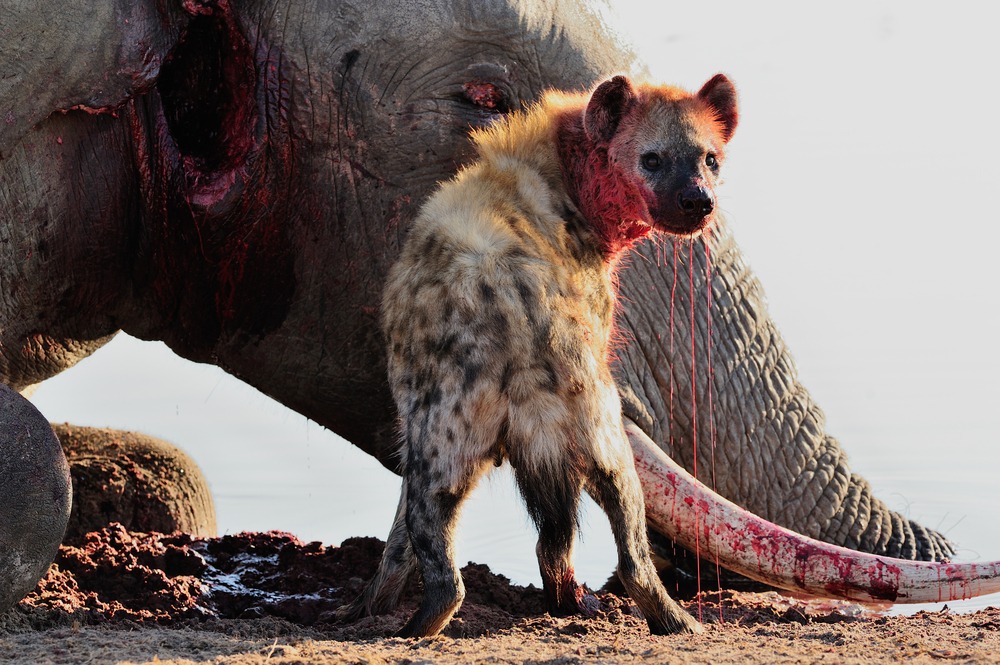
To the west, Savuti Marsh covers 10,878 km². It is the remnant of an ancient interior lake drained by tectonic movements, today fed intermittently by the Savuti Channel, whose erratic flow alternates between periods of abundant water and dry years. The rolling savannas surrounding it are conducive to observing large predators: lions, hyenas, cheetahs, as well as herds of zebras during seasonal migrations.
Linyanti Marsh
North of Savuti, Linyanti Marsh borders the river of the same name. It is flanked to the west by the Selinda Reserve and to the north by Nkasa Rupara Park, in Namibia. It features woodlands, lagoons and floodplains inhabited by bush elephants, sitatunga, roan antelopes, Nile crocodiles and hippopotamuses. This sector is more exclusive and appreciated for its walking safaris.
When to go
The dry season, from May to November, is the most favourable period for wildlife viewing: vegetation becomes sparse and fauna concentrates around permanent water points, particularly the Chobe River. September and October are particularly rich in elephant concentrations, but also the hottest months.
The rainy season (December to April) disperses wildlife but offers green landscapes, herbivore births and the arrival of migratory birds, including carmine bee-eaters. Certain interior tracks, particularly towards Savuti, may be impassable.
Practical Information
- Accommodation: lodges along the river on the Kasane side, more rustic camps at Savuti and Linyanti. Booking essential several months in advance during high season.
- Fees: park entrance fees to be paid separately from accommodation and activities, to be budgeted in the premium park range of southern Africa.
- Activities: morning 4x4 safari, afternoon cruise on the Chobe River, light aircraft flights, ranger-led excursions.
- Health: malaria zone, preventative treatment recommended.
How to get there from Namibia
Although located in Botswana, Chobe is easily accessible from Namibia, making it a classic extension of Namibian circuits. Two main options:
- Via the Caprivi Strip: by crossing Katima Mulilo then the Ngoma border post, you reach the Chobe River area in a few hours' drive.
- Via Kasane: the Botswanan town serves as the main entry point to the park's northern sector and has an airport served from Windhoek, Maun and Johannesburg.
On the Namibia side, a prior stop at Mahango Game Reserve or Khaudum allows you to extend the safari experience before crossing the border.
What to see nearby
- Victoria Falls (Zambia/Zimbabwe), approximately 1.5 hours' drive from Kasane.
- The Okavango Delta, accessible via Maun, a natural complement to a safari at Chobe.
- Kasane, a practical stopover town with airport and lodges.
- Mahango Game Reserve, on the route from Namibia.
FAQ
Frequently asked questions
Extend your stay in Namibia
Chobe naturally fits into a larger circuit between Namibia and Botswana. To build your complete itinerary, consult our Namibia travel suggestions.
Interested in this visit?
We can include it in your personalised itinerary.