Moremi Game Reserve
Moremi Game Reserve
Moremi Game Reserve protects the eastern portion of the Okavango Delta in Botswana. Mopane forests, permanent lagoons and floodplains are home to the Big Five and over 500 bird species.
Moremi Game Reserve occupies the eastern sector of the Okavango Delta in northern Botswana. It spans approximately 5,000 km² of mopane forests, lagoons, floodplains and dry islands. It is one of the few game reserves in southern Africa protecting an interior delta ecosystem, conferring upon it exceptional biodiversity: large predators, elephants, buffalo and an avifauna among the continent's richest.
Practical Information at a Glance
Entrance: Fee required — Botswana national parks fees (rates set by DWNP; verify before departure).
Access: 4×4 vehicle mandatory from Maun (approximately 100 km); charter flights from Maun to interior airstrips (Chief's Island, Xakanaxa).
Recommended duration: 3 to 5 nights minimum to cover northern and southern zones.
Attire: Neutral colours (khaki, beige, olive green); avoid white and bright red.
Essential rules: Remain in vehicle except in designated camps; do not feed animals.
Accessibility for people with disabilities: Very limited — sandy terrain and unimproved tracks.
What You'll See
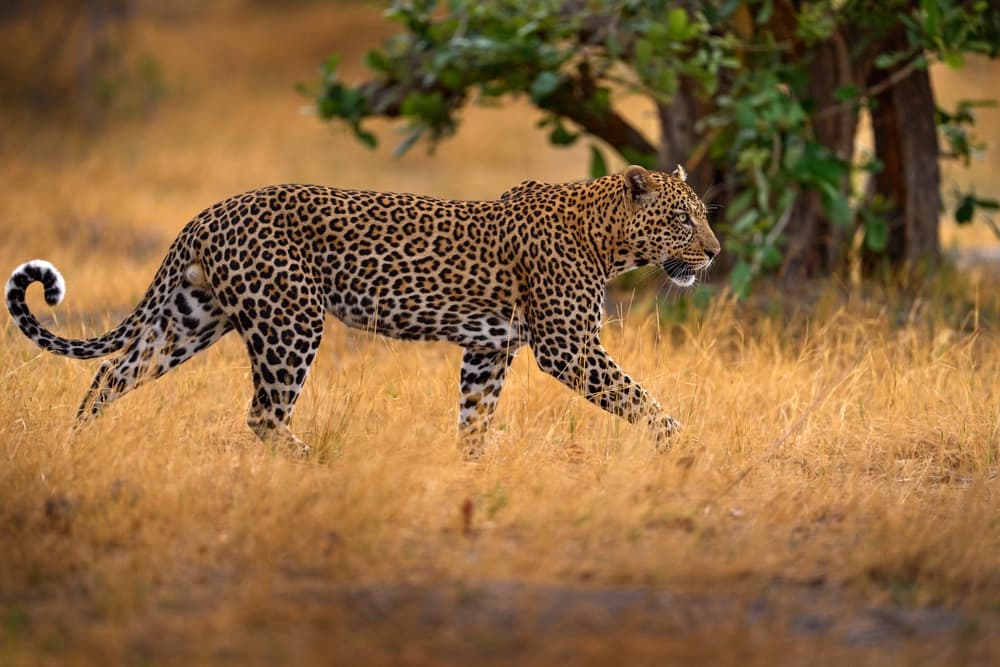
Moremi is home to the Big Five (lion, leopard, elephant, buffalo, rhinoceros — the latter extremely rare). Wild dog packs are among Africa's most observable here. The lagoons host hippopotamuses and Nile crocodiles. Over 500 bird species have been recorded, including the African fish eagle and the African jabiru.
History and Context
Moremi was established in 1963 at the initiative of the Batawana tribe and the Moremi Wildlife Trust — the first game reserve in Africa founded by an African community on its own land. It bears the name of Chief Moremi III. Its status has been expanded several times to include Chief's Island and adjacent wetlands.
Highlights of Your Visit
Chief's Island
The largest dry island in the delta, accessible only by plane or mokoro (canoe). It concentrates a remarkable density of lions and leopards, particularly in the dry season when animals gather around water sources.
Xakanaxa Lagoon
Permanent wetland in the reserve's northern sector. Boat safaris allow close approach to hippopotamuses and waterbirds. The morning light on water lilies is particularly photogenic.
Third Bridge
Wooden bridge at the reserve's heart, a mandatory crossing point between northern and southern zones. The adjacent campsite is renowned for nocturnal visits by hyenas and lions around tents.
Mopane Plains
During the dry season (May to October), mopane forests thin out and offer optimal visibility of elephant herds and wild dog packs on the hunt.
Photography Tips
The golden light of the first two hours after sunrise is ideal for animal portraits. Xakanaxa lagoons reflect the dawn sky — bring a 400 mm lens minimum for birdlife. During the rainy season (November-April), dense vegetation complicates clear views but colours are more saturated. Drones are strictly prohibited throughout the reserve.
Location and Access
Moremi lies approximately 100 km northeast of Maun, the principal access town with an international airport. The road to South Gate is partially paved then becomes sandy track — a high-clearance 4×4 is essential. Charter flights connect Maun to interior airstrips in 20-30 minutes. The reserve adjoins the Okavango Delta to the west and borders Chobe National Park to the northeast.
Surrounding Areas
Okavango Delta — the interior delta surrounding Moremi to the west, explorable by mokoro or aircraft.
Chobe National Park — renowned for some of Africa's densest elephant concentrations, ideal for circuit combination.
Maun — essential logistical hub, with lodges, safari operators and airport.
Makgadikgadi Pans — vast salt flats to the southeast, radically different landscape to explore as an extension.
Frequently Asked Questions
Frequently asked questions
The dry season, from May to October, offers the best wildlife visibility: sparse vegetation and animals concentrated around water sources. July-September is peak season for large predators. The rainy season (November-April) attracts migratory birds and young animals, though some tracks become impassable.
Yes, absolutely. Sandy tracks and river crossings make a high-clearance 4×4 vehicle mandatory. Carry at least two spare wheels and a shovel. Alternatively, charter flights from Maun provide access to camps without a personal vehicle.
Yes, several public campsites exist (Third Bridge, Xakanaxa, South Gate). They are managed by DWNP and must be booked in advance. High-end private lodges offer a more comfortable alternative, often with full board and included safaris.
No. Drone use is prohibited throughout Moremi Game Reserve, as in all Botswana national parks.
This is the classic northern Botswana circuit. Most operators offer itineraries covering Maun → Moremi → Chobe (via Kasane), sometimes extended with Victoria Falls on the Zimbabwean or Zambian side.
Yes. Interior lodges and camps offer guided game drives morning and evening, as well as boat safaris on the lagoons. Certified independent guides can also be hired from Maun.
Want to discover this destination?
Our local advisors design your tailor-made trip.