Kalahari Desert
Kalahari Desert
A vast semi-arid basin shared between Botswana, Namibia, and South Africa, the Kalahari blends exceptional wildlife, red dunes, and ancient San culture. A landscape of vastness and silence.
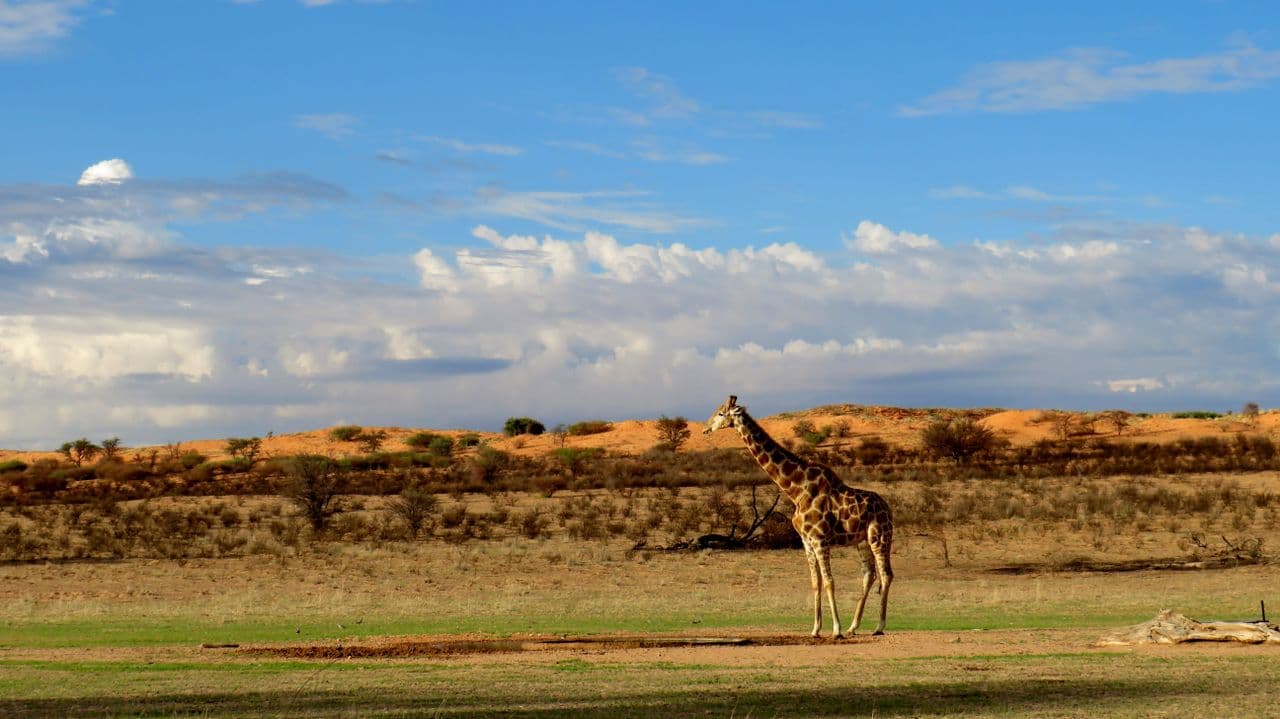
The Kalahari is not an arid desert in the strict sense: it is a vast semi-arid sandy basin spanning approximately 900,000 km² across Botswana, Namibia, and South Africa. Its red dunes, acacia-dotted savannas, and salt pans shelter remarkable wildlife and the San communities, one of the planet's oldest peoples. Here, light, silence, and immensity define the experience.
Quick Facts at a Glance
Best time to visit: May to September (dry season) — wildlife concentrated around watering holes, manageable temperatures.
Access: International flights to Gaborone (Botswana), Windhoek (Namibia), or Johannesburg (South Africa), then road or domestic flights to camps.
What to wear: Neutral colors (beige, khaki) for safaris; warm layers essential at night, even during the Southern Hemisphere summer.
Recommended duration: Minimum 3 to 5 nights to truly sense the vastness and observe wildlife at a natural pace.
Visas: Check requirements for your nationality in each country — rules differ between Botswana, Namibia, and South Africa.
What You'll See
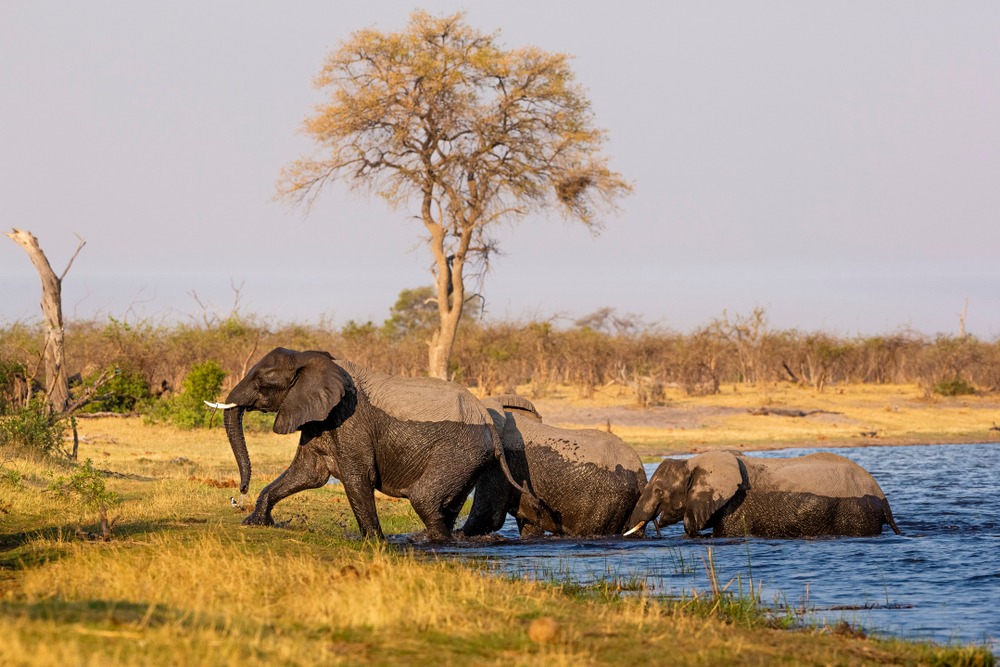
The Kalahari surprises with its diversity. The red dunes of Kgalagadi shift in tone with every hour of daylight. The pans—vast, pale flatlands—attract herds of wildebeest, springbok, and oryx. The Kalahari's lions, with their dark manes, rank among the continent's largest. Cheetahs, leopards, wild dogs, and hyenas complete an exceptional predator tableau.
History and Context
The Kalahari has been inhabited for tens of thousands of years by the San (Bushmen), hunter-gatherers whose rock paintings testify to a profound relationship with this territory. Their knowledge of plants, tracking, and stars remains unparalleled. In the 19th century, European explorers and missionaries—including David Livingstone—traversed the region, paving the way for colonization that upended San ways of life.
Highlights of Your Visit
Kgalagadi Transfrontier Park
Shared between Botswana and South Africa, this park ranks among the world's finest destinations for observing large cats in the wild. The dry riverbeds of the Nossob and Auob concentrate wildlife around their permanent waterholes. Sunsets over the red dunes possess a rare intensity.
Central Kalahari Game Reserve (Botswana)
One of the world's largest nature reserves. Seldom crowded, it offers near-total solitude. During the rainy season (December-March), herbivores pour onto the verdant pans by the thousands—a spectacle rivaling the great migrations.
Encounters with San Communities
Several camps and lodges offer structured visits with San families. Track reading, fire-making by friction, identification of medicinal plants: these respectful exchanges add profound dimension to understanding the desert.
Nights Beneath the Stars
The absence of light pollution across hundreds of kilometers makes the Kalahari one of Southern Africa's finest stargazing sites. The Milky Way is visible to the naked eye with striking clarity.
Photography Tips
The golden light just after sunrise and shortly before sunset is ideal for photographing red dunes and wildlife. Midday light flattens landscape relief. From a vehicle, stay inside to avoid startling animals—this also allows closer approaches. A telephoto lens (300 mm minimum) is essential for wildlife. Pans offer spectacular reflections after rainfall.
Location and Access
The Kalahari extends primarily through Botswana (which covers the largest portion), spilling into Namibia to the west and South Africa to the south. Entry points vary depending on your destination:
Kgalagadi: Accessible from Upington (South Africa) or Tsabong (Botswana).
Central Kalahari: Accessible from Gaborone via Maun or Ghanzi—4x4 tracks mandatory.
Namibian Kalahari: Accessible from Windhoek toward the Namibian Kalahari (Gobabis region).
A 4x4 vehicle is essential for most interior tracks. Some lodges offer light-aircraft transfers from Maun or Gaborone.
Nearby Attractions
Okavango Delta — in western Botswana, this interior delta forms a striking contrast to the Kalahari's aridity.
Etosha National Park — in Namibia, its salt pans and waterholes attract dense wildlife complementary to the Kalahari experience.
Makgadikgadi Pans — in northeastern Botswana, these vast salt flats host one of Africa's largest zebra migrations.
Kruger National Park — in South Africa, accessible from Kgalagadi for a combined Big Five circuit.
Frequently Asked Questions
Frequently asked questions
The dry season (May to September) is ideal: sparse vegetation aids wildlife observation, concentrated around waterholes. The rainy season (November to March) transforms pans into lush grasslands and draws herbivore herds, but tracks sometimes become impassable.
Yes, for most interior reserve tracks. Some lodges are accessible by light aircraft from Maun or Gaborone, avoiding long track drives. Check with your local operator about road conditions by season.
Yes, this is among Botswana's most popular circuits. The two zones complement each other—arid terrain and terrestrial wildlife on one side, water and birdlife on the other. Allow at least a week to do both destinations justice.
It depends on the operator. Favor lodges and agencies working directly with communities, sharing revenue with families, and employing San guides. Avoid "spectacle" visits organized without genuine community involvement.
Yes, in nature reserves. To photograph people—particularly San community members—always seek explicit prior consent. Some individuals prefer not to be photographed; respect this choice without pressure.
Three to five nights minimum in a given area (Kgalagadi or Central Kalahari). Less than this leaves little observation time after travel and acclimatization. A week allows exploring two zones or combining with a neighboring destination.
Want to discover this destination?
Our local advisors design your tailor-made trip.