Namibia's Must-See Attractions
Though less touristy than other African destinations, Namibia is nonetheless one of the continent's most stunning places to explore.
Though less touristy than other African destinations, Namibia is nonetheless one of Africa's most stunning destinations. With its kaleidoscope of landscapes ranging from dunes and deserts to grasslands and savannas, its incredible wildlife, diverse ethnic groups and traditions, Namibia promises an unforgettable journey filled with adventure. Here is our selection of the most beautiful sites to experience during a trip to Namibia :
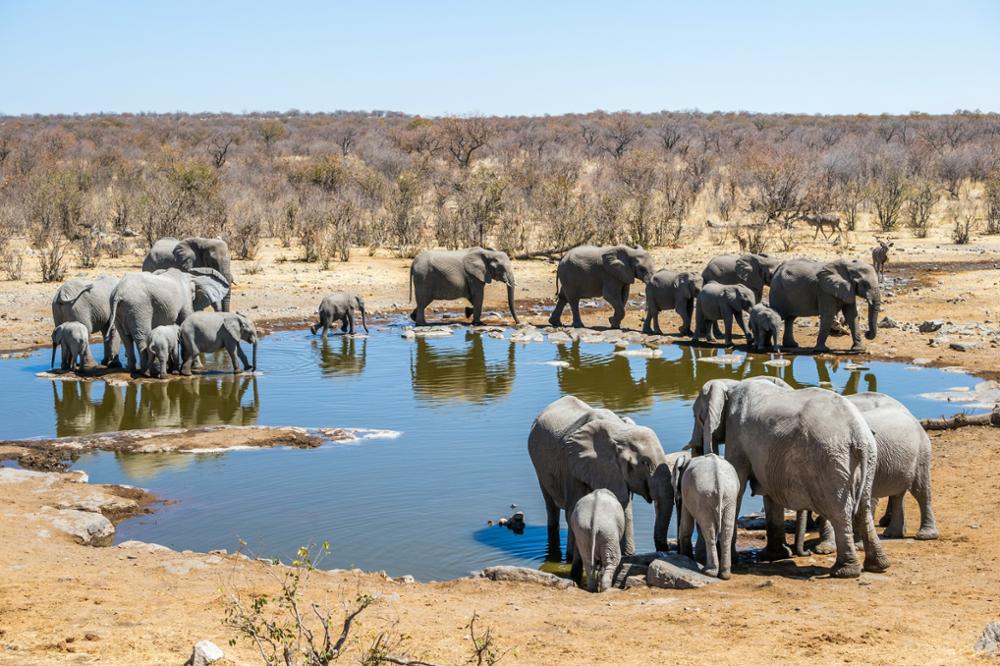
Etosha National Park
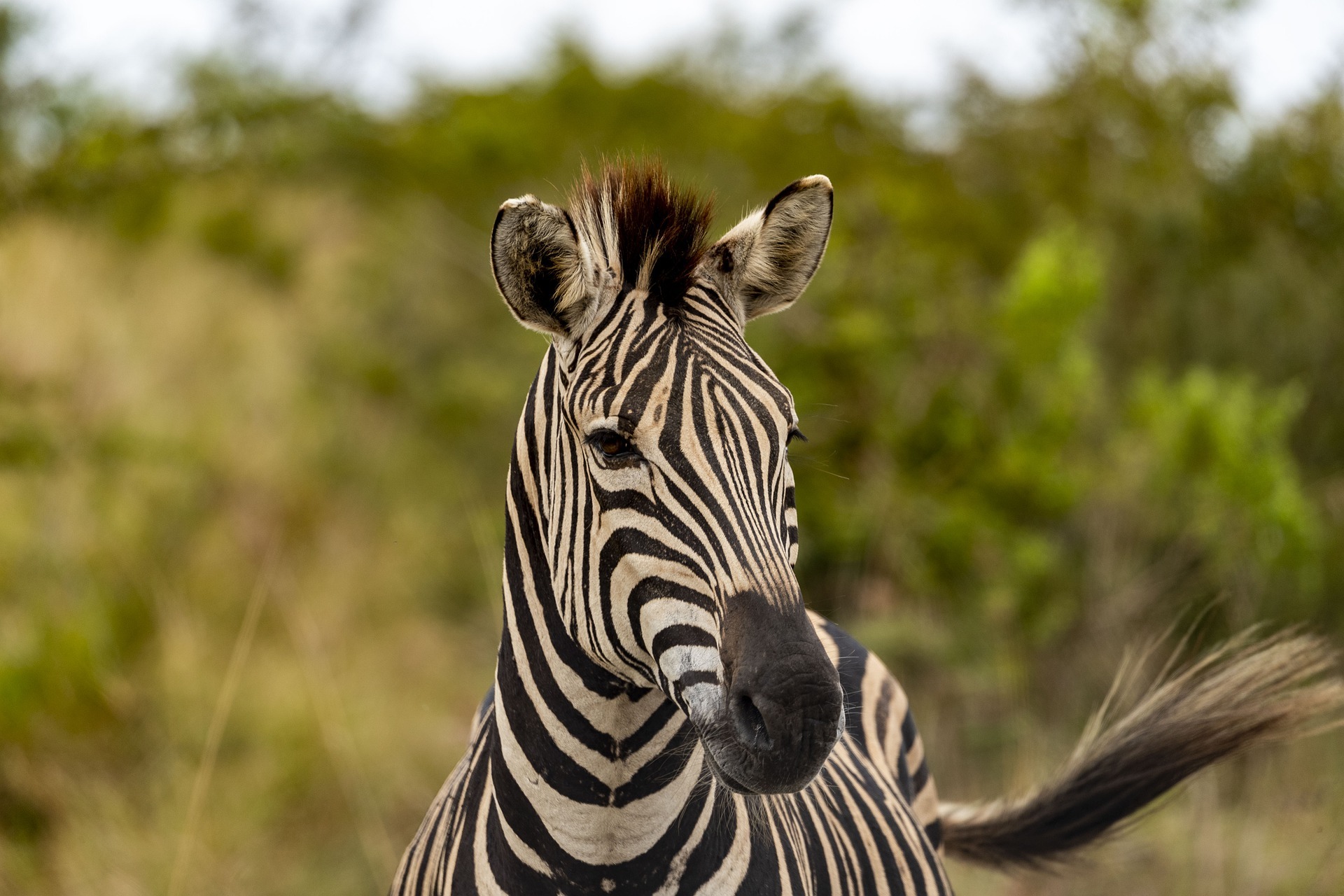
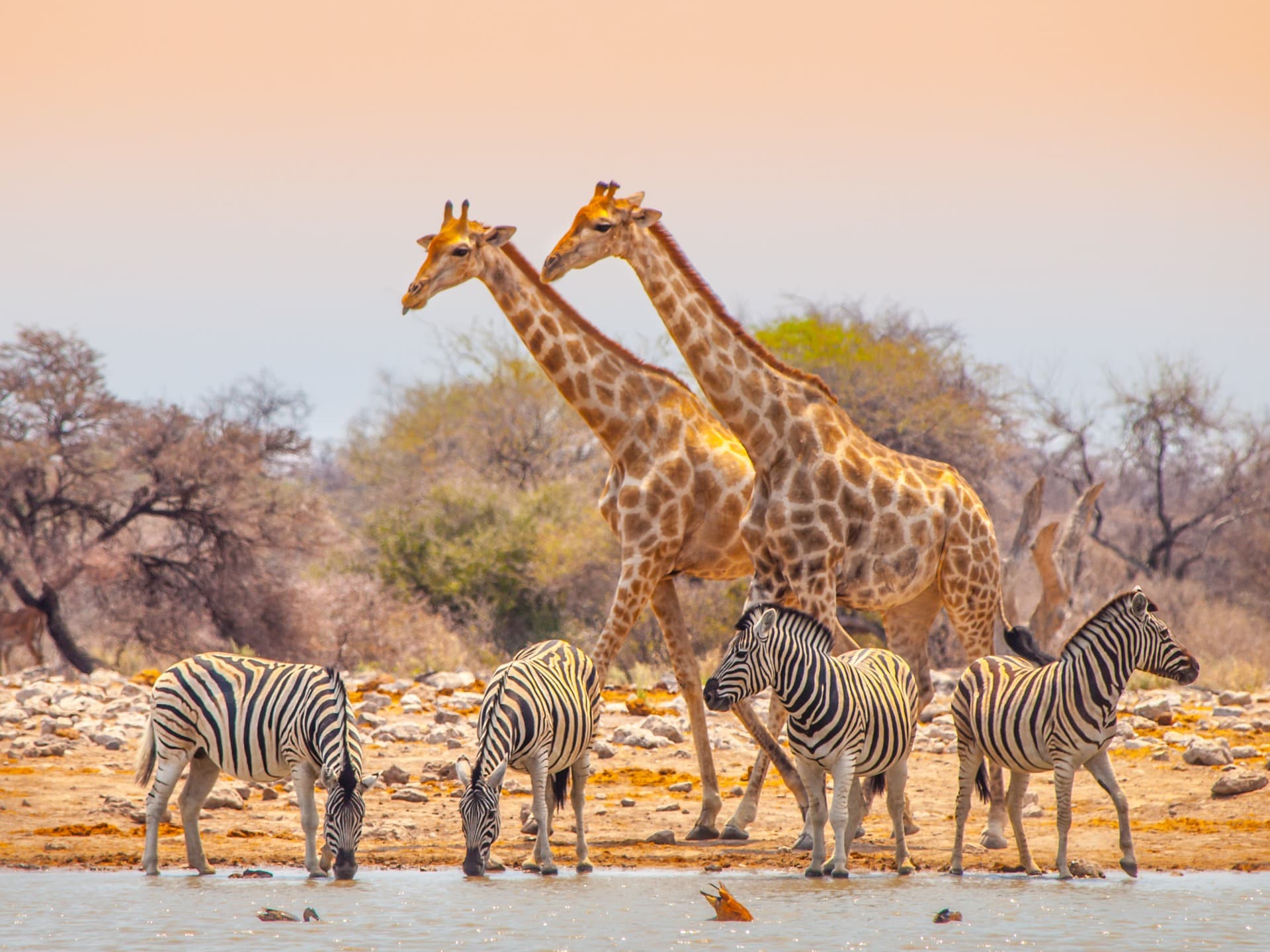
The Etosha National Park is Namibia's most magnificent reserve and among Africa's most impressive. In this natural paradise, over 100 species of mammals coexist and congregate around waterholes during the dry season. Here you can spot leopards, lions, elephants, rhinoceroses, zebras, giraffes... in short, all the savanna's majestic creatures. It's one of the finest places to go on safari.
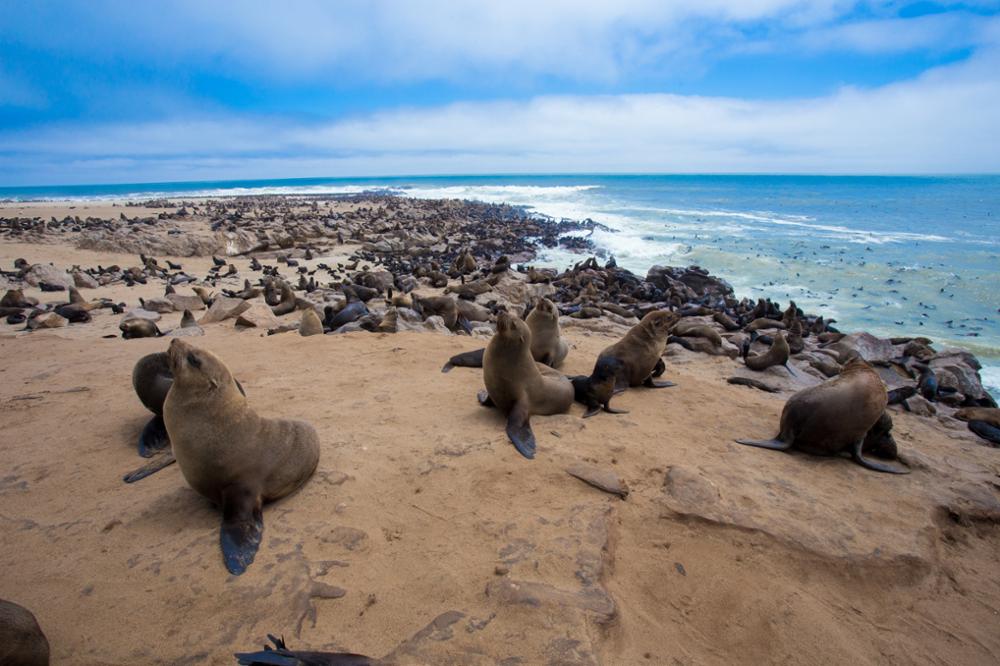
Cape Cross
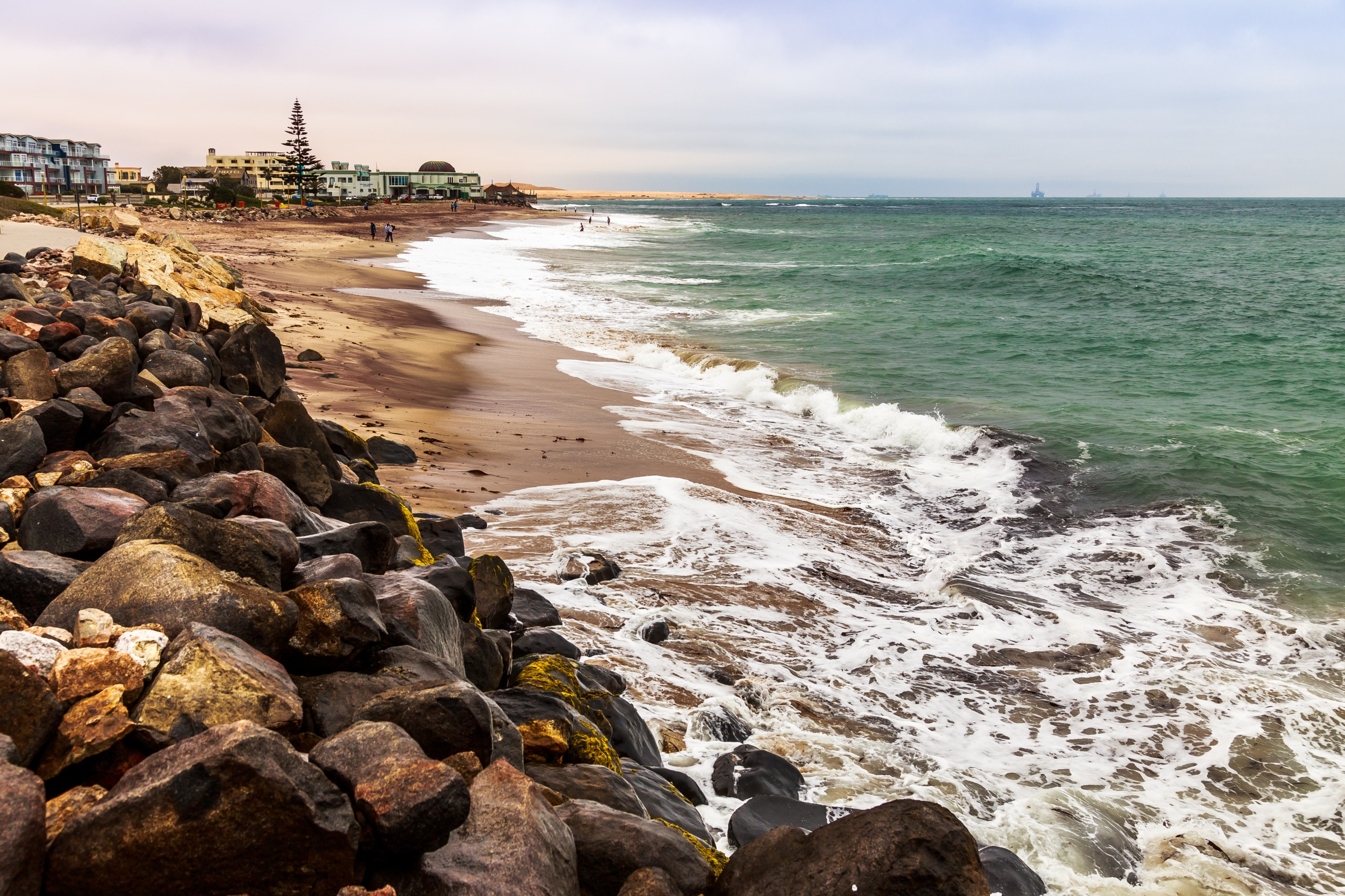
Cape Cross is one of Namibia's most spectacular and striking locations. On the oceanside, this small « edge of the world » serves as a refuge for hundreds of thousands of seals that laze on the sea cliffs. A genuine natural spectacle awaits visitors.
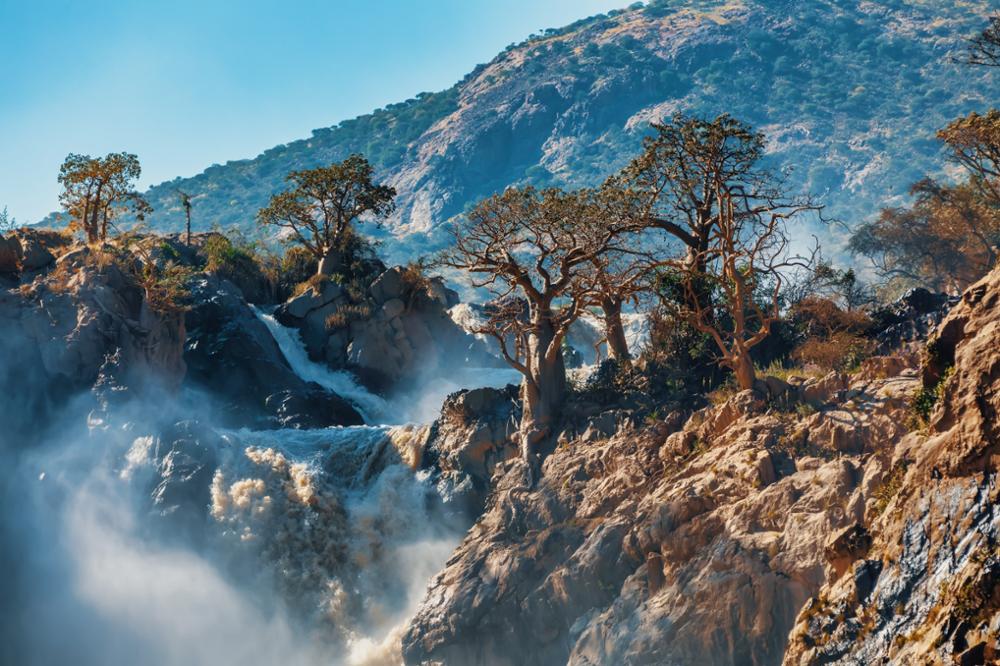
Kaokoland
The region of Kaokoland, just beside Cape Cross, offers some of Namibia's most breathtaking landscapes. Excellently preserved, this isolated region is the perfect place to trek and encounter local communities. Within enchanting surroundings, you can admire several waterfalls (Epupa, Ruacana) and rivers. It's also an opportunity to meet the Himba people, semi-nomadic communities who continue living by ancestral codes and customs.
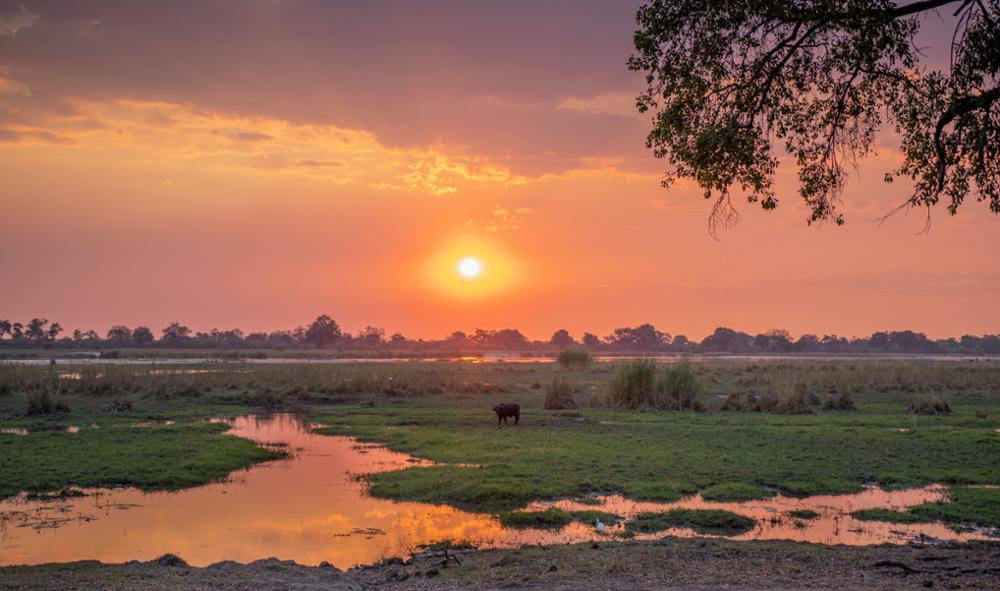
The Caprivi Strip
In the country's northeast, the Caprivi Strip is a true oasis in Namibia, haven for numerous animals. Multiple rivers intersect here, making this corridor one of Namibia's greenest regions, creating a stunning contrast with the desert dunes that blanket most of the territory. It's notably the ideal location for river safaris and observing migratory birds.
Mahango Game Reserve
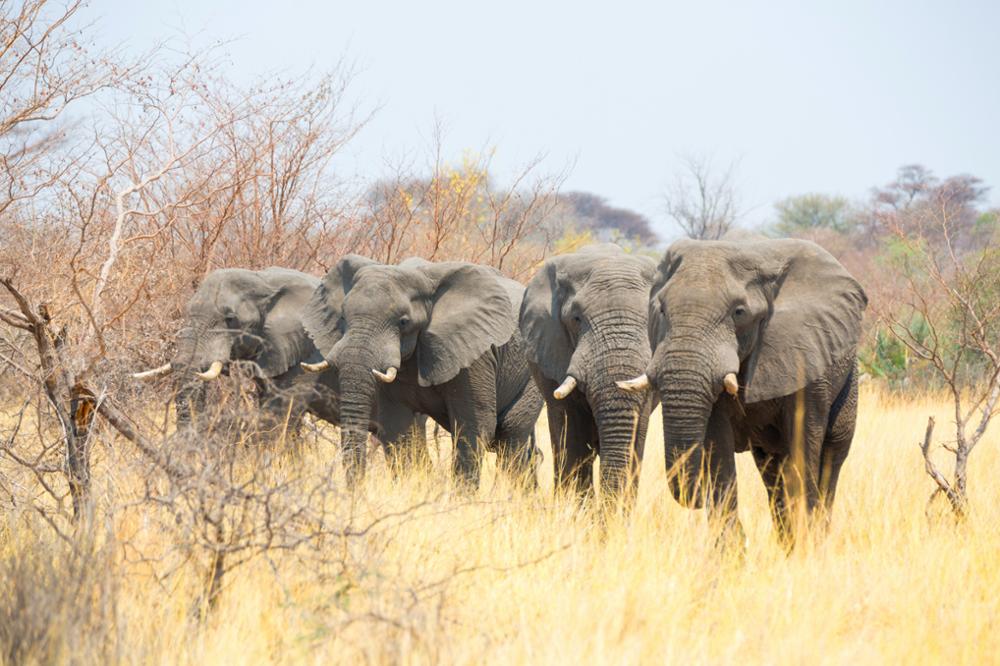
Within this same region, Mahango Game Reserve is a natural park not to be missed on your Namibia trip. This sprawling green park, decorated with baobabs, welcomes thousands of animals: elephants, lions, cheetahs, leopards, buffalo, hippopotamuses... Smaller than Etosha Reserve, it allows you to encounter these wild animals in just a few hours.
Fish River Canyon
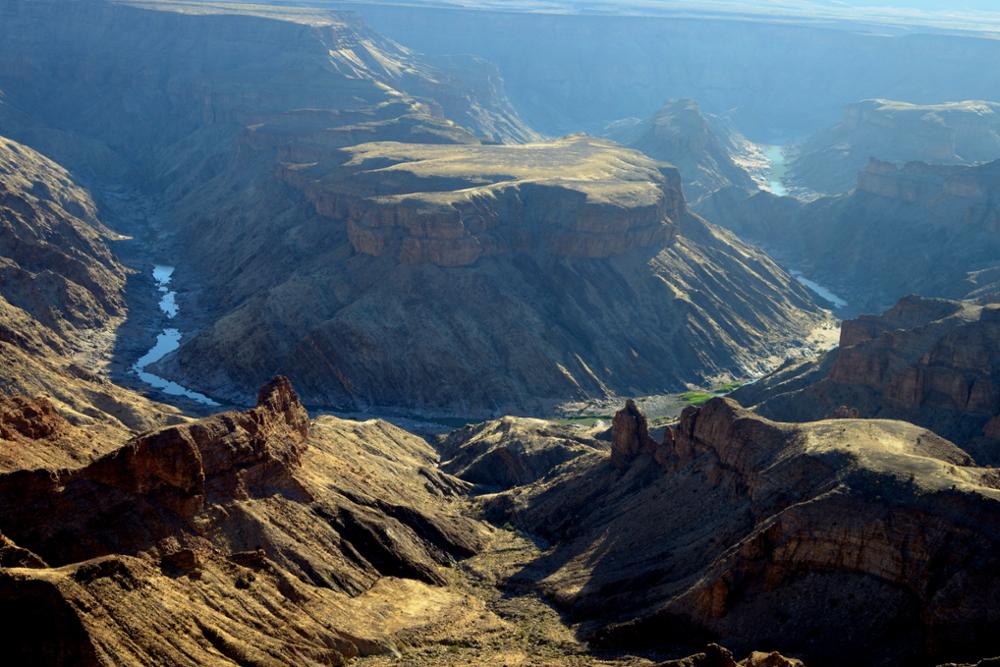
In the country's south, desert gives way to an immense canyon, Fish River Canyon. Surprising and mesmerizing, it is the world's second-largest canyon, plunging 550 meters deep and stretching over 150 kilometers in length! It's one of the finest locations for trekking in a completely untamed environment, where you may encounter leopards, wild horses, kudu, baboons...
Damarland
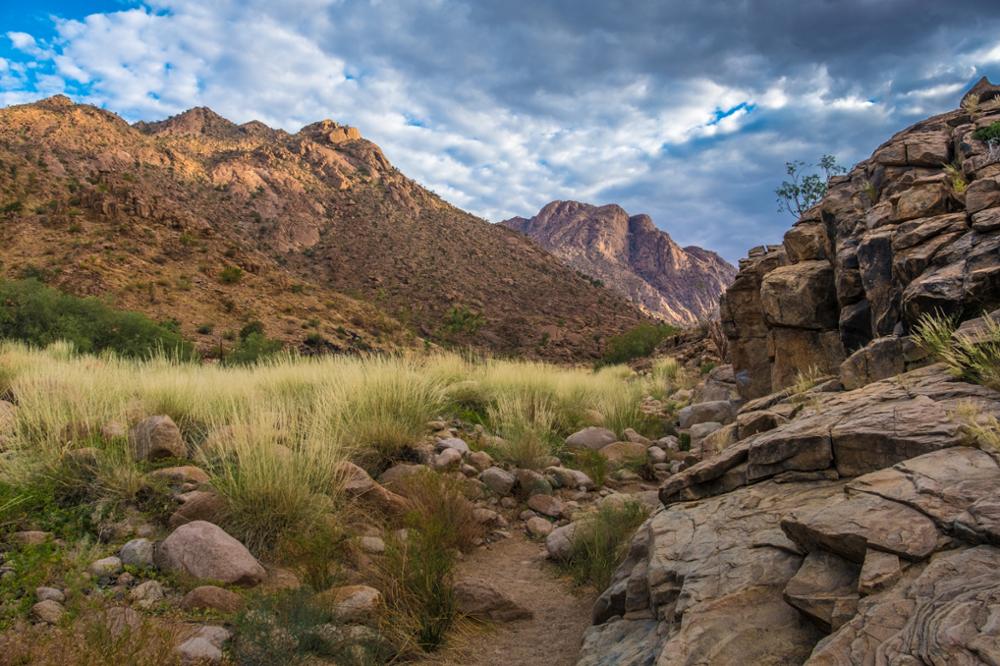
Most of Namibian territory is covered by desert, including Damarland. Adventure is guaranteed; a trip to Damarland feels like a journey to the world's end, to a sparsely inhabited land, where you encounter only a few desert elephants and local tribes. Damarland is home to the historic site of Twyfelfontein, featuring over 2,000 stunning petroglyphs inscribed as UNESCO World Heritage. These rock art designs promise an unparalleled journey through time... Damarland also hosts the Brandberg massif, Namibia's highest peak at 2,573 meters. A land of treks and adventures, Damarland is an essential Namibia experience!
The Sossusvlei Dunes
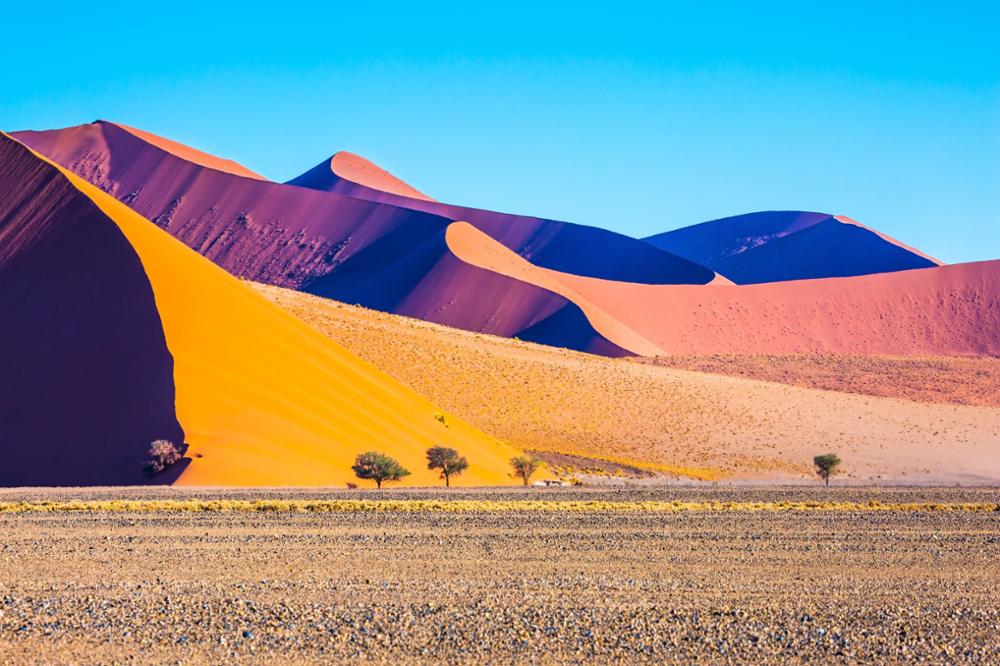
The Namib Desert is the world's oldest and among the most impressive. Its colors captivate travelers and testify to centuries of history. Within this striking Namibian desert lie the Sossusvlei sand dunes, which rank among the world's highest at approximately 300 meters elevation. Reaching the summit rewards you with spectacular views over the desert's salt plains, another natural wonder to experience in Namibia.
Frequently asked questions
The best time to visit Namibia is the dry season, from May to October. During this period, animals concentrate around waterholes, particularly in Etosha National Park, making wildlife viewing easier. Temperatures are milder and roads are more passable.
To discover Namibia's principal must-see attractions — Etosha National Park, Sossusvlei dunes, Fish River Canyon, Damarland and the coast — it is recommended to allow a minimum of 2 to 3 weeks. The country is vast and distances between sites are considerable.
Yes, Namibia is one of Africa's most suitable destinations for self-drive safari. The road network is well developed and national parks feature campsites and lodges accessible to independent travelers. A 4x4 vehicle is nonetheless recommended for tracks outside major routes.
Yes, Fish River Canyon is considered the world's second-largest canyon after the Grand Canyon in the United States. It measures over 150 kilometers in length and reaches 550 meters in depth. It's an exceptional trekking site in Namibia.
The Sossusvlei dunes, located in the Namib Desert — the world's oldest desert — are Namibia's most famous. Reaching approximately 300 meters in height, they rank among the world's highest dunes. Their orange and red coloring is particularly spectacular at sunrise and sunset.